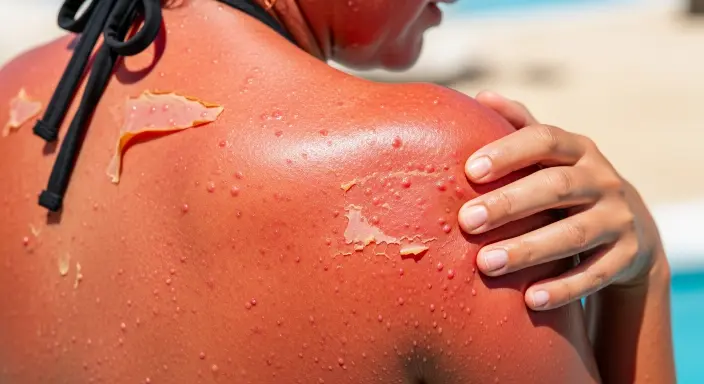
Sun poisoning is one of those terms people hear often but don’t fully understand until they experience it themselves.
After a long day in the sun, you might expect mild redness or soreness, but sometimes the reaction is far more intense.
Skin can become extremely red, swollen, blistered, and painful, while the body may react with symptoms like fever, nausea, chills, or dizziness.
That’s when many people start asking the same question: what does sun poisoning look like, and how serious is it?
Unlike a typical sunburn, sun poisoning is a severe reaction to prolonged ultraviolet (UV) exposure and can affect more than just the skin.
It may impact your overall health, leaving you feeling sick, weak, or dehydrated.
Knowing how to recognize the early warning signs is crucial for getting proper treatment and avoiding complications.
In this article, we’ll clearly explain what sun poisoning looks like, how it feels, and when it’s time to seek medical help.
What Is Sun Poisoning?
Sun poisoning is not an official medical diagnosis, but it’s a commonly used term to describe a severe reaction to excessive sun exposure.
In medical terms, it usually refers to an extreme sunburn or a sun-related skin reaction caused by intense ultraviolet (UV) radiation.
While a regular sunburn affects only the outer layers of the skin, sun poisoning can trigger deeper inflammation and even cause symptoms throughout the body.
People often assume sun poisoning means they’ve somehow been “poisoned” by the sun, but that’s not exactly the case. Instead, it happens when UV rays damage skin cells faster than the body can repair them.
This damage can lead to intense redness, swelling, blistering, and pain. In more serious cases, the body responds as if it’s under stress, resulting in fever, chills, nausea, dizziness, or dehydration.
Sun poisoning is sometimes confused with heat exhaustion or heatstroke. While they can occur together, they are different conditions.
Heat exhaustion is caused by overheating and fluid loss, whereas sun poisoning is primarily a skin and immune response to UV exposure.
However, both conditions can share symptoms such as weakness, headache, and nausea, which makes proper identification important.
Anyone can experience sun poisoning, but it is more common in people with fair skin, those who spend long hours outdoors, or individuals who don’t use adequate sun protection.
Understanding what sun poisoning really is helps set the stage for recognizing how it looks, how it feels, and why it should never be ignored.
What Does Sun Poisoning Look Like on the Skin?
One of the clearest ways to identify sun poisoning is by looking at how the skin reacts after sun exposure.
Unlike a mild sunburn that causes light redness and warmth, sun poisoning usually appears as intense, angry-looking skin that is extremely red and painful to the touch.
The affected area may feel hot, tight, and swollen, often making even simple movements uncomfortable.
Blistering is another common sign. Small or large fluid-filled blisters can form on the skin, especially on areas that were directly exposed to the sun, such as the shoulders, back, arms, face, and legs.
As these blisters heal, the skin may peel or flake, sometimes over large patches. This peeling is a sign that the skin has suffered significant damage and is trying to repair itself.
In some cases, sun poisoning causes a rash rather than classic blisters. This rash may appear as red bumps, hives, or itchy patches that spread beyond the sunburned area.
Swelling is also common, particularly around the eyes, lips, and hands, which can make the face look puffy or distorted.
Skin texture and color changes can vary depending on severity. Some people notice deep redness, while others may see purplish tones or uneven discoloration.
These visible changes are a strong indication that the skin’s reaction goes beyond a normal sunburn and may signal sun poisoning.
Sun Poisoning Symptoms Beyond the Skin
Sun poisoning doesn’t just affect how your skin looks it can also make you feel seriously unwell.
When the body reacts to extreme UV damage, it may trigger whole-body symptoms that are not typical of an ordinary sunburn.
One of the most common signs is fever, often accompanied by chills or excessive sweating, as the body struggles to regulate its temperature.
Headaches and dizziness are also frequent, especially if sun exposure leads to dehydration. Spending long hours in the sun can cause fluid loss, and when combined with skin damage, it may leave you feeling lightheaded or weak.
Nausea and vomiting are other warning signs that the condition is more severe, indicating that your body is under stress and reacting systemically.
Extreme fatigue is another symptom people often overlook. You may feel unusually tired, sluggish, or unable to concentrate, even after resting.
Muscle aches and a general feeling of illness similar to having the flu can also occur. These symptoms are the body’s inflammatory response to extensive sun damage.
In more serious cases, sun poisoning can cause rapid heartbeat, confusion, or fainting. These symptoms should never be ignored, as they may indicate dehydration, heat-related illness, or a severe inflammatory reaction.
While mild sunburn usually improves with simple home care, sun poisoning often requires closer monitoring.
Recognizing these non-skin symptoms is critical. If sun exposure leaves you feeling sick, dizzy, or feverish not just sore it’s a strong signal that you may be dealing with sun poisoning rather than a simple burn.
Sun Poisoning vs Sunburn: Key Differences
Although sun poisoning and sunburn are often used interchangeably, they are not the same. A sunburn is usually a mild to moderate skin injury caused by UV exposure, while sun poisoning represents a much more severe reaction that can affect the entire body.
Understanding the differences helps you determine when simple self-care is enough and when medical attention may be necessary.
With a typical sunburn, symptoms usually include redness, warmth, tenderness, and mild swelling of the skin.
These symptoms tend to appear within a few hours of sun exposure and gradually improve over several days. Sunburn rarely causes illness beyond localized discomfort, and most cases heal with basic treatments like moisturizing lotions and hydration.
Sun poisoning, on the other hand, goes beyond surface-level skin damage. The skin may blister, peel extensively, or develop painful rashes, and swelling can become significant.
More importantly, sun poisoning often includes systemic symptoms such as fever, chills, nausea, headache, dizziness, and extreme fatigue. These signs indicate that the body is reacting to UV damage on a deeper level.
Another key difference is duration and severity. While sunburn typically resolves within a week, sun poisoning symptoms can last longer and may worsen before improving.
In some cases, untreated sun poisoning can lead to complications like dehydration or infection.
Essentially, sunburn becomes sun poisoning when the skin damage is severe enough to trigger whole-body symptoms.
If you feel sick, weak, or feverish after sun exposure, it’s a strong indication that you’re dealing with sun poisoning rather than a simple sunburn.
What Causes Sun Poisoning?
Sun poisoning occurs when the skin is exposed to excessive ultraviolet (UV) radiation for too long without proper protection.
The most common cause is prolonged time spent in direct sunlight, especially during peak hours when UV rays are strongest, typically between late morning and mid-afternoon.
During this time, even a short period outdoors can result in severe skin damage if precautions aren’t taken.
A high UV index significantly increases the risk. Sunny, clear days especially at the beach, pool, or high-altitude locations intensify UV exposure because sunlight reflects off surfaces like water, sand, and snow.
This reflection can cause more damage than people expect, leading to severe burns and sun poisoning.
Lack of sun protection is another major factor. Skipping sunscreen, using a low SPF, or failing to reapply it regularly allows UV rays to penetrate and damage the skin quickly.
Wearing minimal or non-protective clothing also leaves large areas of skin vulnerable.
Certain personal factors can make sun poisoning more likely. People with fair or sensitive skin burn more easily, while those with a history of sunburns may be at higher risk.
Additionally, some medications such as antibiotics, acne treatments, and diuretics can increase sun sensitivity, causing the skin to react more severely than usual.
Underlying skin conditions or sun allergies can also trigger sun poisoning-like reactions. When these factors combine with intense sun exposure, the risk of developing severe symptoms rises dramatically, making awareness and prevention essential.
Who Is Most at Risk of Sun Poisoning?
While anyone can develop sun poisoning, certain groups are more vulnerable due to skin type, lifestyle, or medical conditions.
Fair-skinned individuals are particularly susceptible because their skin has less melanin, which naturally protects against UV radiation.
Even a short period in the sun can cause severe burns and increase the likelihood of sun poisoning.
Children and possible people are also at higher risk. Children’s skin is thinner and more sensitive, making them prone to intense reactions.
Meanwhile, older adults may have a weakened ability to regulate body temperature, making sun exposure more dangerous. Both groups may also be less aware of early symptoms, delaying treatment.
Outdoor workers, athletes, and frequent sunbathers face prolonged exposure, especially during peak sunlight hours.
Jobs like construction, farming, or lifeguarding, and hobbies like hiking or beach sports, increase cumulative UV exposure, raising the risk of severe reactions.
Certain medications and health conditions can also increase vulnerability. Drugs such as antibiotics, diuretics, or acne treatments can make skin more sensitive to sunlight, while autoimmune disorders or a history of sun allergies can trigger exaggerated skin reactions.
Finally, travelers to sunny or tropical regions may encounter higher UV indexes than they’re used to.
Without proper precautions, even a short vacation can result in sun poisoning. Knowing who is most at risk helps target prevention strategies and recognize symptoms early.
Stages and Severity of Sun Poisoning
Sun poisoning can develop gradually or appear rapidly, depending on the intensity of sun exposure and individual sensitivity.
Recognizing the stages and severity can help you take timely action and prevent complications.
Early Stage: The first signs may resemble a normal sunburn, including mild redness, warmth, and slight discomfort. You might also notice small areas of swelling or itching.
At this point, symptoms are mostly skin-deep, and immediate cooling, hydration, and sunscreen can help prevent further damage.
Moderate Stage: If exposure continues or skin sensitivity is high, symptoms worsen. Redness becomes intense, the skin may feel hot and tender, and swelling can spread to larger areas.
Blisters or a rash may appear, often accompanied by itching or pain. Systemic symptoms such as fatigue, headache, and mild nausea may start to appear.
Severe Stage: In severe cases, sun poisoning affects both the skin and the entire body. Large blisters may form, skin can peel extensively, and swelling may distort facial features or joints.
Flu-like symptoms such as fever, chills, dizziness, and vomiting are common. Dehydration or heat-related complications can occur, making medical attention necessary.
Understanding these stages allows you to differentiate between mild sunburn and serious sun poisoning.
Early recognition and treatment at the moderate stage can prevent progression to severe symptoms and reduce the risk of lasting skin damage or systemic illness.
How Long Does Sun Poisoning Last?
The duration of sun poisoning depends on the severity of the reaction, the area of skin affected, and how quickly treatment begins. Mild cases may resolve within 3 to 5 days, with redness and discomfort gradually fading and the skin peeling lightly.
Applying soothing lotions, staying hydrated, and avoiding further sun exposure usually helps speed recovery.
Moderate cases often take one to two weeks to fully heal. Blisters may form and eventually burst, causing peeling and tenderness.
During this time, the skin is vulnerable to infection, so careful hygiene and avoiding scratching or popping blisters are essential.
Over-the-counter pain relievers or anti-inflammatory medications can help manage discomfort.
Severe cases may persist for two weeks or longer. Extensive blistering, swelling, and systemic symptoms like fever, nausea, or dizziness can prolong recovery.
In some instances, complications such as infection or dehydration may extend healing time and require medical intervention. Severe sun poisoning may also cause lingering sensitivity to sunlight for several weeks.
Several factors influence how long symptoms last, including skin type, age, pre-existing health conditions, and whether the affected individual receives timely care.
Avoiding further UV exposure, using gentle skincare products, and staying hydrated are critical steps to shorten recovery.
Recognizing how long sun poisoning lasts helps set realistic expectations for healing and emphasizes the importance of taking preventive measures during future sun exposure.
How Is Sun Poisoning Diagnosed?
Sun poisoning is primarily diagnosed through a clinical examination of the skin and assessment of accompanying symptoms.
Unlike conditions that require lab tests or imaging, doctors usually rely on visual signs and patient history to identify sun poisoning.
Key indicators include severe redness, blistering, swelling, and peeling skin in areas exposed to the sun, along with systemic symptoms such as fever, nausea, dizziness, or fatigue.
During a medical consultation, a doctor may ask questions about the duration and intensity of sun exposure, any protective measures used, and whether medications or pre-existing conditions could have increased sun sensitivity.
This helps differentiate sun poisoning from similar conditions like heat exhaustion, allergic reactions, or rashes caused by other environmental factors.
In most cases, no specialized tests are required. However, if the symptoms are severe or systemic such as persistent vomiting, high fever, or signs of dehydration the doctor may perform blood tests or check electrolyte levels to ensure there are no complications.
Early diagnosis is important because sun poisoning can worsen quickly, especially if the patient continues to be exposed to UV rays or fails to manage hydration and inflammation.
Recognizing the signs early allows for appropriate treatment, reduces the risk of infection, and helps prevent long-term skin damage.
Self-assessment can help identify minor cases, but any severe or worsening symptoms should always prompt professional medical evaluation.
Sun Poisoning Treatment Options
Treating sun poisoning involves addressing both skin damage and systemic symptoms. The severity of your condition determines whether home remedies are sufficient or medical care is necessary.
Immediate First-Aid Steps:
The first step after noticing severe redness, swelling, or blisters is to get out of the sun and move to a cool, shaded area. Applying cold compresses or cool baths can help reduce inflammation and relieve pain. Avoid using ice directly on the skin, as it may worsen irritation.
At-Home Remedies:
For mild to moderate cases, several measures can provide relief:
- Moisturizers or aloe vera gel to soothe burning and peeling skin.
- Over-the-counter pain relievers such as ibuprofen or acetaminophen to reduce pain and inflammation.
- Hydration is critical drink plenty of water to replace fluids lost due to sun exposure.
- Loose, soft clothing to prevent friction and irritation of sensitive skin.
Medical Treatment:
Severe sun poisoning with extensive blisters, swelling, or systemic symptoms may require professional care. Doctors may prescribe:
- Topical corticosteroids to reduce inflammation.
- Oral painkillers or anti-inflammatory medications.
- IV fluids in cases of dehydration or severe heat-related illness.
Avoid popping blisters, scratching the skin, or using harsh chemical treatments, as these can increase the risk of infection. Timely treatment not only relieves symptoms but also speeds up healing and prevents complications.
Proper care and monitoring are essential to ensure that the condition improves without lasting skin damage or health risks.
When Should You See a Doctor?
Knowing when to seek medical attention for sun poisoning is crucial, as the condition can escalate quickly. Mild sunburns can usually be managed at home, but sun poisoning involves more severe skin damage and systemic symptoms that may require professional care.
You should see a doctor if you experience any of the following warning signs:
- Large or painful blisters covering significant areas of the body
- Severe swelling, particularly around the face, eyes, or joints
- Fever, chills, or persistent headache
- Nausea, vomiting, or dizziness
- Signs of dehydration, such as dark urine, dry mouth, or extreme fatigue
Medical attention is also necessary if symptoms worsen instead of improving within a few days or if home remedies fail to relieve pain and inflammation.
People with pre-existing health conditions, such as heart problems, autoimmune disorders, or skin sensitivities, should be especially cautious, as sun poisoning can trigger complications.
Emergency care is required in extreme cases, for instance, if someone faints, experiences confusion, or shows signs of heatstroke along with severe sun damage.
These situations indicate that the body is under significant stress, and prompt intervention can prevent serious complications.
Even after initial recovery, follow-up care may be advised for severe cases to monitor skin healing, prevent infection, and manage lingering sensitivity. Knowing when to seek help ensures a faster recovery and protects overall health.
Can Sun Poisoning Be Dangerous?
Yes, sun poisoning can be dangerous if left untreated or if symptoms are severe. While many people think of it as just an extreme sunburn, it can have both short-term and long-term effects on the body.
The skin itself is vulnerable to blistering, peeling, and infection, especially when large areas are affected.
Open blisters can become entry points for bacteria, leading to painful infections that may require medical treatment.
Beyond the skin, sun poisoning can impact the whole body. Severe reactions may cause dehydration, dizziness, and electrolyte imbalances, particularly if accompanied by vomiting, diarrhea, or excessive sweating.
In extreme cases, prolonged exposure to heat and UV radiation can trigger heatstroke, a potentially life-threatening condition that requires immediate medical attention.
Long-term risks are also a concern. Repeated episodes of sun poisoning or severe sunburns can increase the risk of premature skin aging, hyperpigmentation, and even skin cancer over time. The cumulative effect of UV damage weakens skin cells and DNA, making preventive measures crucial.
Although most cases of sun poisoning can be managed successfully with timely treatment, it’s important to recognize that the condition is more than just a cosmetic issue.
Taking sun safety seriously, monitoring symptoms, and seeking medical care when needed can prevent both immediate complications and long-term damage.
How to Prevent Sun Poisoning
Prevention is always better than treatment when it comes to sun poisoning. The first and most important step is limiting direct sun exposure, especially during peak UV hours between 10 a.m. and 4 p.m.
If you need to be outdoors during these times, seek shade whenever possible, such as under trees, umbrellas, or covered areas.
Sunscreen is essential for protecting the skin. Choose a broad-spectrum sunscreen with at least SPF 30, and apply it generously to all exposed areas of the body.
Reapply every two hours, or more often if swimming or sweating. Don’t forget often-missed spots such as ears, the back of the neck, lips, and the tops of feet.
Protective clothing adds another layer of defense. Lightweight, long-sleeved shirts, wide-brimmed hats, and UV-protective sunglasses can dramatically reduce the amount of UV radiation reaching the skin. Fabric with a UPF rating offers the best protection.
Hydration also plays a key role. Drinking plenty of water helps prevent dehydration, which can worsen the effects of sun exposure.
Avoid alcohol and caffeinated drinks in the sun, as they can contribute to fluid loss.
Other preventive measures include being aware of medications or skincare products that increase sun sensitivity and using extra caution if you have fair or sensitive skin. Gradually building up sun exposure can also help the body adapt without triggering severe reactions.
By combining sun avoidance, protective clothing, sunscreen, and hydration, you can significantly reduce the risk of sun poisoning. Prevention not only protects your skin but also ensures your overall health remains safe while enjoying time outdoors.
Sun Poisoning in Children
Children are especially vulnerable to sun poisoning due to their delicate and sensitive skin. Their skin has less natural melanin, which means it absorbs UV radiation more easily, making them prone to severe burns and blistering.
Young children also have a harder time recognizing early symptoms, such as itching or mild redness, so parents may not notice the problem until it becomes more serious.
Common signs of sun poisoning in children include bright red skin, swelling, blisters, and peeling, often accompanied by systemic symptoms like fever, nausea, irritability, and fatigue.
Unlike adults, children may become lethargic, unusually fussy, or lose appetite, signaling that the condition is affecting their overall health.
Preventing sun poisoning in children requires extra precautions. Apply broad-spectrum sunscreen with at least SPF 30 to all exposed areas, including ears, the back of the neck, and tops of feet, 20–30 minutes before sun exposure.
Reapply every two hours, or immediately after swimming or sweating. Protective clothing, such as hats, sunglasses, and long sleeves, adds another critical layer of defense.
Parents should also limit outdoor activities during peak UV hours and ensure children stay hydrated. Supervision is key, especially for babies and toddlers, as they may not recognize discomfort or remove themselves from the sun when needed.
By following these preventive strategies and recognizing early symptoms, parents can protect their children from the pain and risks of sun poisoning, while teaching healthy sun habits that last a lifetime.
Frequently Asked Questions
1. What does sun poisoning look like on the face?
Sun poisoning on the face often appears as intense redness, swelling, and blistering, sometimes accompanied by peeling. Eyes may feel irritated, and lips can become chapped or swollen. The overall appearance can look much worse than a typical sunburn, with puffiness and uneven skin texture.
2. Can sun poisoning cause fever?
Yes. Fever is a common systemic symptom of sun poisoning, especially in moderate to severe cases. The body reacts to UV-induced skin damage with inflammation, which can trigger fever, chills, and body aches, similar to a mild flu.
3. Is sun poisoning contagious?
No. Sun poisoning is not contagious. It is caused by overexposure to UV radiation, not by bacteria or viruses, so it cannot be transmitted from person to person.
4. Can you get sun poisoning on a cloudy day?
Absolutely. Up to 80% of UV rays can penetrate clouds, meaning prolonged exposure even on overcast days can still cause sun poisoning if proper protection isn’t used.
5. How is sun poisoning treated at home?
Mild cases can often be managed with cool baths, aloe vera, over-the-counter pain relievers, hydration, and avoiding further sun exposure. Severe cases with extensive blisters, swelling, or systemic symptoms require medical attention.
6. How long after sun exposure do symptoms appear?
Symptoms can appear within hours or up to 24 hours after intense sun exposure. Sometimes systemic effects like fever or nausea appear slightly later than visible skin changes.
7. Can sun poisoning recur?
Yes. If skin is exposed again without protection, sun poisoning can happen again. Prevention with sunscreen, protective clothing, and avoiding peak UV hours is key.
Conclusion:
Sun poisoning is more than just a severe sunburn it is a serious reaction to prolonged ultraviolet (UV) exposure that can affect both the skin and the whole body.
Recognizing the signs early is essential for preventing complications and ensuring a speedy recovery.
Common symptoms include intense redness, swelling, blistering, peeling, and rashes, while systemic reactions such as fever, nausea, dizziness, and fatigue indicate that the condition is affecting overall health.
Unlike typical sunburn, sun poisoning can last longer, cause more discomfort, and, in severe cases, require medical attention.
Prevention remains the most effective approach. Applying broad-spectrum sunscreen, wearing protective clothing, limiting time in direct sunlight during peak hours, and staying well-hydrated are all critical steps to reduce the risk.
Children, fair-skinned individuals, outdoor workers, and those taking photosensitive medications are particularly vulnerable and should take extra precautions.
Understanding the stages and severity of sun poisoning can help you differentiate it from a mild sunburn and decide when professional care is necessary.
Treatment focuses on soothing the skin, managing pain, and addressing systemic symptoms.
Mild cases may improve with home remedies, while moderate to severe reactions may require medical intervention to prevent infection, dehydration, or other complications.
Ultimately, sun poisoning serves as a reminder that the sun, while essential for life, can be harmful when precautions are neglected.
By recognizing the warning signs, practicing preventive measures, and taking swift action when symptoms appear, you can safely enjoy time outdoors without putting your health at risk.
Protecting your skin today helps prevent both immediate discomfort and long-term damage.

I am Zadie Smith, the mind behind witty words and viral laughs on Jokestide.com.
I am here to turn everyday moments into clever jokes, puns, and share-worthy humor.
I am all about fresh, trending fun that makes you smile, scroll, and come back for more.