If you’ve ever wondered what Medicaid covers, you’re not alone. With so many healthcare options and state-specific rules, it can be confusing to know which services are fully covered and which might come with costs.
Medicaid is a government program designed to provide healthcare coverage for low-income individuals, families, , and people with disabilities, but coverage isn’t one-size-fits-all.
Some services, like doctor visits or hospital care, are generally included, while others, such as dental or vision care, may depend on your state.
Understanding what Medicaid pays for can save you from unexpected medical bills and help you make the most of your benefits.
In this guide, we’ll break down the core services Medicaid covers, optional benefits, costs, and tips for verifying coverage, so you can confidently navigate your healthcare options and get the care you need without surprises.
What Is Medicaid?
Medicaid is a government-funded health insurance program in the United States that provides coverage for individuals and families with limited income.
Unlike Medicare, which primarily serves over 65, Medicaid focuses on low-income adults, children, pregnant , possible adults, and people with disabilities.
It is a joint program funded by both federal and state governments, which means coverage and eligibility rules can vary significantly depending on where you live.
The program covers a wide range of healthcare needs, from routine doctor visits to hospitalization, and aims to make essential medical services accessible and affordable.
One of the key benefits of Medicaid is its focus on preventive care, helping individuals maintain their health and catch potential issues early.
Eligibility for Medicaid is based on factors such as income, household size, age, and disability status. Many states have expanded Medicaid under the Affordable Care Act, allowing more adults to qualify.
Understanding who qualifies is crucial because being eligible opens the door to a comprehensive set of healthcare services that can otherwise be costly.
Medicaid isn’t just for emergencies or major illnesses it supports everyday health needs, including preventive care, mental health services, and prescription medications.
By knowing the basics of Medicaid, you can better understand what services you can access and how to maximize your coverage.
Core Services Medicaid Covers
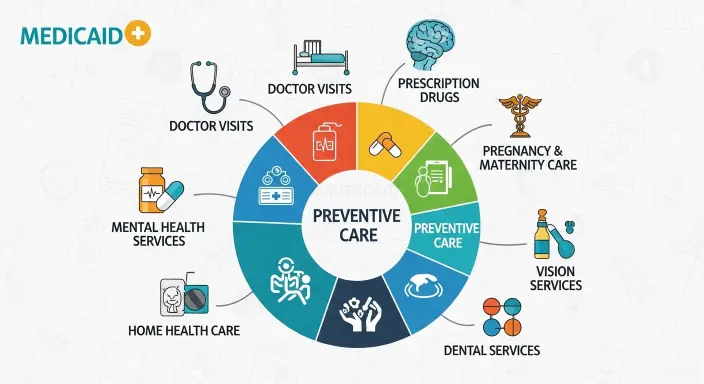
Medicaid provides a wide range of healthcare services to ensure that eligible individuals receive essential medical care. One of the primary services covered is doctor visits, including both primary care and specialist appointments.
Routine check-ups, chronic disease management, and preventive screenings like blood pressure or diabetes tests are typically included.
Hospital services are another critical component of Medicaid coverage. This includes both inpatient care such as surgeries and overnight stays and emergency room visits.
Preventive care is also emphasized, covering vaccines, screenings for conditions like cancer or high cholesterol, and well-child visits for children.
Medicaid generally covers prescription medications, although the exact drugs covered can vary by state. Many states provide access to generic and brand-name medications under their formularies, helping to reduce out-of-pocket costs.
Mental health and substance abuse services are also included, providing coverage for counseling, therapy sessions, and rehabilitation programs. This ensures individuals can access the care they need for both physical and mental well-being.
For pregnant , maternity and newborn care are covered, including prenatal appointments, labor and delivery, and postnatal check-ups. Medicaid also supports lab tests, imaging, and medical equipment, such as X-rays, wheelchairs, and hearing aids, depending on state guidelines.
Finally, Medicaid covers long-term care and home health services for or people with disabilities. This includes in-home care, personal assistance, and nursing home care, helping individuals maintain independence while receiving proper medical support.
Optional Medicaid Services
While Medicaid covers many essential healthcare services, some benefits are considered optional and can vary depending on the state you live in. These services go beyond basic medical care and can significantly improve quality of life for beneficiaries.
One common optional service is dental care. Some states provide full coverage for routine check-ups, cleanings, and fillings, while others may only cover emergency dental treatment.
Similarly, vision care, including eye exams, glasses, and contact lenses, is optional in many states, making it important to verify what your state plan offers.
Hearing services are also often optional. Coverage may include hearing tests and hearing aids, particularly for children, , or individuals with disabilities. Certain states may offer chiropractic care, occupational or physical therapy, and other rehabilitative services as part of their optional benefits.
Another valuable optional service is non-emergency medical transportation, which helps Medicaid recipients reach appointments if they don’t have access to transportation.
Some states also provide coverage for home modifications or medical devices that support independent living.
Because these services are optional, coverage differs widely across states, and some services may have specific eligibility requirements.
Checking your state’s Medicaid website or contacting your Medicaid office directly is the best way to understand which optional benefits you can access.
Even though optional services are not guaranteed in every state, they can make a meaningful difference in overall health and quality of life. Knowing your options ensures you take full advantage of the benefits available to you.
Costs and Limits
One of the biggest questions people have about Medicaid is whether they will have to pay for services. In general, Medicaid is designed to minimize healthcare costs for eligible individuals and families.
Most services are covered with little to no out-of-pocket expense, but some states may require small copayments for certain visits, prescriptions, or procedures.
These copays are usually modest, often just a few dollars, and are designed to help manage unnecessary use of services rather than to create financial barriers.
Medicaid also has limits on coverage for certain services. For example, some states may place restrictions on dental procedures, cosmetic surgeries, or experimental treatments.
Long-term care, such as nursing home services or in-home support, may also have eligibility criteria, like requiring a documented medical need or proof of income.
Another important aspect is annual or lifetime coverage limits for certain optional services, which can vary from state to state. For example, vision or hearing aid coverage may be limited to once every year or two years.
Even though Medicaid generally covers the majority of essential medical care, it’s crucial to understand your state-specific plan. Verifying what services are fully covered, what may require copays, and any limitations can prevent unexpected medical bills.
Always review your state’s Medicaid handbook or website, and speak with your healthcare provider to confirm coverage before receiving services.
By knowing the costs and limits upfront, you can plan care effectively and avoid surprises while still taking full advantage of your Medicaid benefits.
How to Check Your Medicaid Coverage
Understanding exactly what your Medicaid plan covers is essential to avoid unexpected medical bills.
The first step is to review your state’s Medicaid handbook or website, where you can find a detailed list of covered services, optional benefits, and any limitations.
Because Medicaid is administered at the state level, coverage can vary widely, so checking your local resources is crucial.
Another important method is to contact your healthcare provider directly. Before scheduling appointments, procedures, or filling prescriptions, ask the provider to verify whether the service is covered under your Medicaid plan.
Many clinics and pharmacies have staff trained to check Medicaid benefits and can confirm coverage, co-pays, and any prior authorization requirements.
You can also call your state Medicaid office or use their online portal to confirm coverage for specific services. Many state portals allow you to view your benefits, check claims, and track any usage limits.
This is especially helpful for optional services like dental, vision, or transportation, which may have stricter rules.
For ongoing care, keeping a personal record of your coverage and usage can be helpful. Document appointments, services received, and any out-of-pocket payments.
This helps ensure you stay within coverage limits and can resolve any discrepancies quickly.
By taking these proactive steps, you can make the most of your Medicaid benefits, avoid surprises, and access the care you need with confidence.
Common Misconceptions About Medicaid Coverage
Despite its widespread use, many people misunderstand what Medicaid actually covers. One common misconception is that Medicaid covers everything.
While it does provide comprehensive healthcare for many essential services, not all procedures or treatments are automatically included. Optional services like dental care, vision, or hearing aids may be limited or unavailable depending on your state, so it’s important to confirm coverage beforehand.
Another myth is that only children or low-income families qualify. In reality, Medicaid serves a broad range of populations, including , pregnant , and people with disabilities.
Many states have also expanded Medicaid eligibility under the Affordable Care Act, allowing more adults with low to moderate incomes to benefit from coverage.
Some people believe that mental health or substance abuse services are not covered. Medicaid actually covers therapy, counseling, and rehabilitation programs in most states, though availability may vary.
Lastly, there’s a misconception that Medicaid benefits are identical in every state. Coverage can differ significantly, including optional services, co-pays, and eligibility rules.
Understanding these differences ensures you don’t miss out on benefits that are available in your state.
By addressing these misconceptions, you can navigate your Medicaid coverage more effectively, access the services you need, and avoid surprises when it comes to healthcare costs.
Tips to Maximize Your Medicaid Benefits
Maximizing your Medicaid benefits ensures you receive the full range of services available to you without unexpected costs. One of the most effective strategies is staying informed about your coverage.
Regularly review your state’s Medicaid handbook or online portal to understand both mandatory and optional services, co-pays, and any limits on coverage. Being aware of your benefits allows you to plan medical care more efficiently.
Schedule preventive care appointments early and regularly. Medicaid emphasizes preventive services, such as vaccines, health screenings, and routine check-ups, which can help detect health issues early and reduce the need for more expensive treatments later.
Before undergoing any procedure or filling a prescription, verify coverage with your healthcare provider. This step can prevent surprise bills and delays in treatment.
If your state offers optional services like dental, vision, or transportation, take advantage of them. Even if these services aren’t essential, they can significantly improve quality of life and overall health.
Finally, keep organized records of appointments, claims, and co-payments. Tracking your healthcare usage helps you stay within coverage limits and makes it easier to resolve any discrepancies with Medicaid or your provider.
By following these steps, you can make the most of your Medicaid coverage, maintain better health, and access care confidently, knowing you’re using your benefits to their fullest potential.
Frequently Asked Questions
What does Medicaid usually cover?
Medicaid typically covers essential healthcare services such as doctor visits, hospital stays, emergency care, preventive services, prescription drugs, mental health care, maternity services, and long-term care. However, coverage details can vary by state.
Does Medicaid cover dental and vision care?
Dental and vision coverage are considered optional benefits. Some states offer full dental and vision services, while others may only cover emergency dental care or limit vision benefits. Always check your state’s Medicaid plan for details.
Are prescription drugs covered by Medicaid?
Yes, Medicaid generally covers prescription medications, including many generic and brand-name drugs. Each state has its own approved drug list, called a formulary, which determines which medications are covered.
Does Medicaid cover mental health services?
Most Medicaid programs cover mental health and substance abuse services, including therapy, counseling, and rehabilitation programs. The extent of coverage may vary depending on your state and specific plan.
Can Medicaid cover long-term or nursing home care?
Yes, Medicaid is one of the primary payers for long-term care, including nursing homes and in-home support services. Eligibility usually requires meeting medical and financial criteria.
Do Medicaid benefits differ by state?
Yes, Medicaid coverage can vary significantly by state because states have flexibility in offering optional services and setting certain rules. Always review your state’s Medicaid guidelines for accurate information.
How can I confirm what my Medicaid plan covers?
You can confirm coverage by visiting your state Medicaid website, calling your Medicaid office, or asking your healthcare provider to verify benefits before receiving care.
Conclusion:
Understanding what Medicaid covers is essential for making informed healthcare decisions and avoiding unexpected medical expenses.
Medicaid plays a vital role in providing affordable healthcare access to millions of low-income individuals, families, , and people with disabilities.
From routine doctor visits and hospital care to prescription drugs, mental health services, and long-term care, Medicaid offers a broad range of benefits designed to support both short-term and long-term health needs.
However, Medicaid coverage is not identical across all states. Optional services such as dental, vision, hearing, and transportation may vary depending on where you live.
Costs, copayments, and coverage limits can also differ, making it important to review your state’s Medicaid guidelines carefully.
By staying informed, using preventive care, and regularly checking your benefits, you can make the most of your Medicaid coverage.
If you’re newly enrolled or have been using Medicaid for years, understanding how the program works empowers you to take control of your healthcare.
If you’re unsure about specific services or eligibility requirements, visiting your state Medicaid website or contacting a Medicaid representative is the best next step.
With the right information, Medicaid can be a reliable and valuable resource for maintaining your health and financial well-being.

I am Harper Lee, the voice behind Jokestide.com, where humor meets creativity.
I am here to serve fresh, trending jokes and puns that make every scroll worth it.
I am turning everyday smiles into share-worthy laughs welcome to the fun side of the web