Ketamine is a name that keeps popping up in very different places hospitals, mental health clinics, news headlines, and online discussions.
For some people, it’s known as a powerful anesthetic used in emergency medicine. For others, it’s talked about as a fast-acting treatment for depression.
And in some cases, it’s mentioned in conversations about recreational drug use. With all these mixed messages, it’s natural to wonder: what does ketamine actually do?
At its core, ketamine is a medication that affects how the brain processes pain, perception, and mood. Unlike many traditional drugs, it works quickly and influences brain chemicals in a unique way.
This has made it both medically valuable and widely misunderstood. In this article, we’ll break down how ketamine works, what effects it has on the body and mind, and why its uses come with both benefits and risks.
The goal is simple: to give you clear, factual information without hype or fear.
What Is Ketamine?
Ketamine is a synthetic medication that was first developed in the 1960s and is still widely used in modern medicine today.
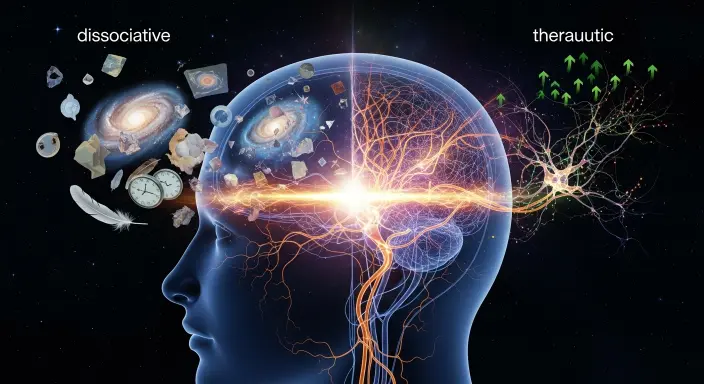
It belongs to a class of drugs known as dissociative anesthetics, meaning it can separate a person’s awareness from physical sensations like pain.
Because of this unique property, ketamine has been especially useful in surgical and emergency settings where rapid pain control is needed.
Medically, ketamine is most commonly used as an anesthetic during procedures and surgeries, particularly in emergency rooms and battlefield medicine.
One reason doctors value ketamine is that it works quickly and does not significantly suppress breathing, which makes it safer than some other anesthetics in critical situations. It is also used in both human and veterinary medicine.
In recent years, ketamine has gained attention beyond anesthesia due to its effects on the brain. Researchers discovered that, at much lower doses than those used in surgery, ketamine can influence mood and emotional processing.
This led to its use in controlled medical settings for conditions such as treatment-resistant depression. A related form, esketamine, has even been approved in some countries as a prescription nasal spray for depression.
However, ketamine also exists outside of medical environments. When used without supervision, it may carry legal and health risks.
Understanding ketamine requires separating its legitimate medical role from its non-medical misuse, which is why clear, factual information is so important.
How Does Ketamine Work in the Brain?
Ketamine works in a way that is very different from many commonly known medications, especially traditional antidepressants.
Instead of mainly affecting serotonin or dopamine, ketamine targets a brain chemical called glutamate, which plays a major role in learning, memory, and mood regulation.
Specifically, ketamine blocks NMDA receptors, a type of receptor that controls how glutamate signals are transmitted in the brain.
By blocking these receptors, ketamine causes a temporary surge of glutamate activity in certain brain areas. This surge is believed to help the brain form new neural connections, a process known as neuroplasticity.
Improved neuroplasticity may explain why ketamine can produce rapid changes in mood, sometimes within hours rather than weeks. This is one of the main reasons ketamine has attracted attention for treating conditions like treatment-resistant depression.
Ketamine’s effect on perception and consciousness also comes from how it alters communication between different brain regions. Some people experience dissociation, meaning they feel detached from their body, thoughts, or surroundings.
Time and space may feel distorted, and sensory experiences can change. In medical settings, this dissociative effect helps reduce pain and awareness during procedures.
It’s important to note that these brain changes are temporary. Ketamine does not permanently alter brain chemistry after a single use, especially when administered under medical supervision.
However, repeated or unsupervised use can disrupt normal brain function. Understanding how ketamine works in the brain helps explain both its medical benefits and why it must be used carefully and responsibly.
Medical Uses of Ketamine
Ketamine has a long history of use in medical settings, and its most established role is as an anesthetic.
Doctors often use ketamine during surgeries and emergency procedures because it works quickly and provides strong pain relief while maintaining breathing and blood pressure.
This makes it especially valuable in trauma care, pediatric medicine, and situations where other anesthetics may pose higher risks.
Beyond anesthesia, ketamine is also used for pain management. In controlled doses, it can help manage severe acute pain, such as pain caused by injuries or surgeries.
In some cases, ketamine is prescribed for chronic pain conditions, including nerve-related pain that does not respond well to traditional pain medications. Its ability to reduce pain without heavily depressing the nervous system is a key advantage.
One of the most talked-about medical uses of ketamine today is in mental health treatment. Low-dose ketamine therapy has been studied for individuals with treatment-resistant depression, meaning their symptoms have not improved with standard antidepressants.
Some patients report rapid relief from depressive symptoms, sometimes within hours or days. A specific form called esketamine has been approved in certain countries as a prescription nasal spray for depression, administered only in clinical settings.
Despite these benefits, ketamine is not a first-line treatment for most conditions. Its use is carefully regulated, and patients are closely monitored. Medical supervision ensures that the potential benefits outweigh the risks and that side effects are properly managed.
Short-Term Effects of Ketamine on the Body and Mind
The short-term effects of ketamine can vary depending on the dose, method of administration, and individual response. In medical settings, these effects are carefully monitored, but they help explain both ketamine’s usefulness and its potential risks.
One of the most common short-term effects is dissociation, where a person may feel detached from their body or surroundings. This sensation can range from mild disconnection to a more intense, dream-like state.
Ketamine also alters perception. Colors, sounds, and time may feel distorted, and some people experience a sense of floating or deep relaxation. Physically, ketamine can reduce pain sensitivity, which is why it is effective as an anesthetic.
It may also cause temporary increases in heart rate and blood pressure, as well as dizziness, nausea, or blurred vision. These effects typically wear off within a few hours as the drug leaves the system.
In mental health treatment, some individuals report short-term mood improvement, reduced anxiety, or a feeling of emotional relief shortly after receiving ketamine.
However, not all experiences are positive. Confusion, anxiety, or disorientation can occur, especially if the environment feels unsafe or overwhelming.
Most short-term effects of ketamine are reversible when the drug is used appropriately. Medical professionals monitor patients closely to manage any discomfort or side effects.
Outside of supervised settings, these same short-term effects can become unpredictable and potentially dangerous.
Understanding how ketamine affects the body and mind in the short term helps explain why controlled use is emphasized and why misuse carries real risks.
Long-Term Effects and Potential Risks of Ketamine
The long-term effects of ketamine largely depend on how often it is used, the dosage, and whether it is taken under medical supervision.
When ketamine is used occasionally and in controlled clinical settings, research suggests that serious long-term problems are less common.
However, repeated or unsupervised use can increase the risk of negative physical and psychological effects.
One of the most well-documented long-term risks associated with frequent ketamine use is urinary tract and bladder damage. Some individuals may develop symptoms such as pain during urination, frequent urges to urinate, or reduced bladder capacity.
Cognitive effects have also been reported, including memory problems, difficulty concentrating, and slowed thinking, particularly with prolonged misuse.
From a mental health perspective, ketamine does not typically cause physical dependence in the same way as opioids, but psychological dependence can develop.
Some users may begin relying on the dissociative or mood-altering effects to cope with stress or emotional pain. Over time, tolerance can occur, meaning higher doses are needed to achieve the same effects, which increases health risks.
There are also concerns about how long-term ketamine use may affect mood and emotional regulation.
While it can provide short-term relief for depression in clinical settings, unsupervised or frequent use may worsen anxiety, depression, or emotional instability in some individuals.
These risks highlight why ketamine is not considered a casual or harmless substance. Medical professionals carefully evaluate patients, limit exposure, and monitor outcomes.
Understanding the potential long-term effects reinforces the importance of using ketamine responsibly and only under appropriate guidance.
Medical Use vs Recreational Use of Ketamine
Understanding what ketamine does also requires separating its medical use from its recreational use, as the risks and outcomes differ significantly. In medical settings, ketamine is administered by trained professionals in carefully measured doses.
Patients are screened beforehand, monitored during treatment, and supported afterward. The goal is therapeutic pain relief, anesthesia, or mental health treatment while minimizing side effects and risks.
Recreational use, on the other hand, often involves unknown dosages, unregulated substances, and unsafe environments. Without medical supervision, the dissociative effects of ketamine can become unpredictable.
Users may experience intense confusion, panic, impaired coordination, or loss of awareness, which increases the risk of accidents and injuries. Mixing ketamine with alcohol or other drugs further raises the danger, especially to breathing and heart function.
Another major difference is intent and frequency. Medical ketamine is used sparingly and strategically, often as part of a broader treatment plan.
Recreational use may occur more frequently and without regard for recovery time, increasing the likelihood of tolerance, psychological dependence, and long-term health problems such as bladder damage.
Legal consequences also play a role. While ketamine is a legal prescription medication, possessing or using it outside of approved medical contexts is illegal in many countries.
This can lead to serious legal and personal consequences in addition to health risks.
By clearly distinguishing medical use from recreational misuse, it becomes easier to understand why ketamine can be both a valuable medicine and a potentially harmful substance. Context, supervision, and purpose make all the difference.
Safety, Precautions, and Who Should Avoid Ketamine
Ketamine can be safe and effective when used under proper medical supervision, but it is not suitable for everyone.
Before prescribing or administering ketamine, healthcare providers carefully evaluate a person’s medical history, mental health background, and current medications.
This screening process helps reduce the risk of complications and ensures the treatment is appropriate.
Certain individuals may be advised to avoid ketamine altogether. This includes people with a history of substance use disorders, as ketamine’s dissociative effects may increase the risk of misuse or psychological dependence.
Individuals with uncontrolled high blood pressure, serious heart conditions, or severe liver or kidney problems may also face increased risks. Pregnant or breastfeeding individuals are typically advised against ketamine use unless absolutely necessary and medically justified.
Even in approved settings, ketamine can cause side effects such as nausea, dizziness, temporary confusion, or anxiety. For this reason, patients are closely monitored during and after treatment.
Many clinics require patients to remain on-site for observation and to avoid driving or making important decisions for the rest of the day.
Another important safety consideration is mental health support. In therapeutic settings, ketamine is often combined with counseling or integration therapy to help individuals process their experiences and maintain long-term benefits.
This approach reduces the risk of emotional distress or unrealistic expectations about ketamine as a “quick fix.”
Ultimately, ketamine should never be self-administered or used casually. Its effects on perception and awareness make supervision essential.
Understanding who should avoid ketamine and why reinforces the importance of medical guidance and responsible use.
Frequently Asked Questions
What does ketamine feel like?
Ketamine can cause a sense of detachment from the body or surroundings, often described as dissociation. Some people feel relaxed or calm, while others notice altered perception of time and space. Experiences vary depending on dose, setting, and individual sensitivity.
Is ketamine addictive?
Ketamine is not considered physically addictive like opioids, but it can lead to psychological dependence if misused. Frequent, unsupervised use increases the risk of tolerance and habitual use.
How long do ketamine effects last?
The immediate effects typically last between 30 minutes to a few hours. However, mood-related effects in therapeutic settings may last days or weeks, especially when combined with counseling.
Is ketamine safe for depression treatment?
When administered in a medical setting, ketamine can be safe for certain individuals with treatment-resistant depression. It is not suitable for everyone and requires careful screening and monitoring.
Can ketamine permanently cure depression?
Ketamine is not a permanent cure. It may provide rapid symptom relief, but ongoing treatment, therapy, and lifestyle support are often necessary for long-term improvement.
Is ketamine legal?
Ketamine is a legal prescription medication used in medical settings. Using or possessing it without a prescription is illegal in many countries and can carry serious legal consequences.
What are the biggest risks of ketamine misuse?
Misuse can lead to bladder damage, memory problems, emotional instability, and increased risk of accidents or overdose, especially when mixed with alcohol or other drugs.
Conclusion:
Ketamine is a complex substance that serves very different purposes depending on how it is used.
Medically, it is a valuable tool for anesthesia, pain management, and treatment-resistant depression.
Its unique effects on the brain particularly its influence on glutamate and neuroplasticity allow for rapid relief in certain conditions, setting it apart from traditional medications.
In controlled, supervised settings, ketamine is generally safe, and side effects are carefully managed.
At the same time, ketamine is widely misunderstood outside medical contexts.
Recreational or unsupervised use can lead to unpredictable effects, including dissociation, confusion, and physical risks such as bladder damage or cognitive impairment.
Legal consequences and potential psychological dependence are additional concerns.
Understanding the difference between medical use and misuse is crucial for anyone considering ketamine, either as a treatment option or out of curiosity.
Education and responsible use are key. When administered by trained professionals, ketamine can provide meaningful benefits with manageable risks.
But without supervision, the same drug can pose serious short- and long-term health consequences.
In summary, ketamine is neither inherently “good” nor “bad” its effects depend entirely on dose, context, and purpose.
By separating fact from misconception and understanding both its benefits and risks, individuals can make informed decisions and approach this powerful substance safely.

I am Stephen King, a name that rules both horror legends and humor headlines on Jokestide.com.
I am here to twist words, spark laughs, and turn iconic fame into joke-worthy fun.
I am not the horror I’m the punchline that keeps readers hooked.