High blood pressure, also known as hypertension, is often called a “silent killer”and for good reason.
Many people live with elevated blood pressure for years without noticing any obvious symptoms, yet it quietly damages the heart, kidneys, and blood vessels.
But even though it can be subtle, high blood pressure can sometimes manifest in ways your body is trying to tell you something is wrong. Y
ou might experience headaches, dizziness, fatigue, or even unusual nosebleeds but these signs can be easy to overlook or mistake for everyday stress.
Understanding what high blood pressure feels like can empower you to recognize potential warning signs and take action early.
In this article, we’ll break down the physical, emotional, and situational sensations associated with hypertension, explain when these symptoms may become serious, and offer practical guidance on monitoring and managing your blood pressure effectively.
Understanding High Blood Pressure (Hypertension)
High blood pressure, or hypertension, occurs when the force of blood pushing against the walls of your arteries is consistently too high.
Your arteries are designed to handle a certain amount of pressure, but when this pressure stays elevated over time, it can strain your heart, damage blood vessels, and increase the risk of serious health problems like heart attacks, strokes, and kidney disease.
Blood pressure is measured in two numbers: systolic (the top number, representing the pressure when your heart beats) and diastolic (the bottom number, representing the pressure when your heart rests between beats).
Normal blood pressure is generally considered around 120/80 mmHg. Anything consistently above 130/80 mmHg may indicate hypertension, though exact thresholds can vary depending on age, health conditions, and medical guidelines.
Hypertension is often called a “silent killer” because many people do not feel symptoms until their blood pressure reaches dangerously high levels or causes complications. It can develop gradually over years, making it difficult to detect without regular monitoring.
There are two main types of high blood pressure:
- Primary (essential) hypertension, which develops over time with no identifiable cause, often linked to genetics, age, or lifestyle.
- Secondary hypertension, which occurs due to another medical condition, such as kidney disease, hormonal disorders, or certain medications.
Understanding the basics of high blood pressure helps you recognize why monitoring it regularly is so important, even if you feel perfectly fine.
Common Physical Symptoms of High Blood Pressure
High blood pressure is often symptomless, which is why it’s called the “silent killer.” However, some people do notice certain physical sensations that may indicate their blood pressure is elevated.
Recognizing these early signs can help you take action before complications occur.
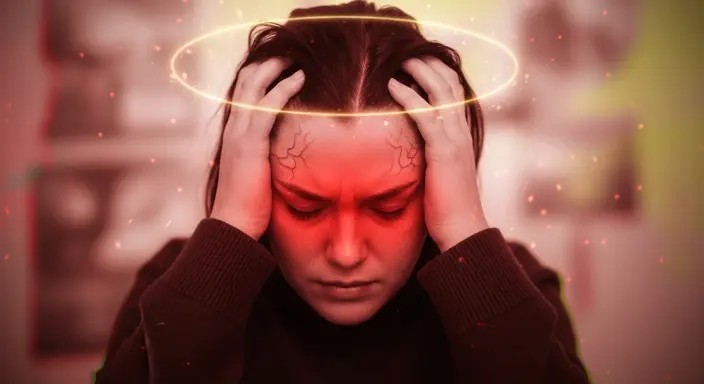
One of the most common symptoms is headaches, particularly a dull or pulsating pain at the back of the head or around the temples. These headaches may be more noticeable in the morning or after periods of stress.
Dizziness or lightheadedness is another possible sign, making it difficult to maintain balance or focus. Some people experience blurred vision or eye strain, which can result from increased pressure in the blood vessels of the eyes.
Occasionally, high blood pressure may cause nosebleeds, though these are more likely when readings are extremely elevated. You might also feel fatigue or unusual weakness, as your heart and arteries are working harder than normal to circulate blood efficiently.
Less common sensations include palpitations or a feeling of your heart racing, particularly during stressful moments.
It’s important to remember that these symptoms can be subtle or easily confused with stress, dehydration, or other minor health issues. That’s why relying on how you feel is not enough; regular blood pressure checks are crucial.
Being aware of these physical symptoms can guide you to seek medical advice promptly and prevent more serious health problems in the future.
Emotional and Mental Effects of High Blood Pressure
High blood pressure doesn’t only affect your body physically it can also impact your mind and emotions.
Many people with hypertension report experiencing mood changes, anxiety, or difficulty concentrating, even when they don’t notice obvious physical symptoms.
These mental and emotional effects often arise because the cardiovascular system and nervous system are closely connected.
Anxiety and nervousness are common in people with high blood pressure. Some individuals may feel on edge or unusually tense, especially if their blood pressure rises during stressful situations.
This can create a cycle, where stress temporarily elevates blood pressure, which then worsens anxiety. Similarly, irritability or mood swings may appear more frequently, leaving individuals feeling frustrated or short-tempered without a clear reason.
Cognitive effects are another concern. People with hypertension sometimes experience difficulty concentrating, forgetfulness, or a sense of “brain fog.
This happens because elevated blood pressure can affect blood flow to the brain, subtly reducing oxygen and nutrient delivery over time.
Fatigue and low energy, while partly physical, also contribute to mental strain. Feeling constantly tired can impact motivation, emotional resilience, and overall well-being.
Understanding these emotional and mental effects is crucial because they can be overlooked or misattributed to stress, lifestyle, or other factors.
Recognizing changes in mood, focus, or mental clarity alongside physical symptoms can be a helpful signal to check your blood pressure and discuss concerns with a healthcare professional.
Situational or Triggered Symptoms of High Blood Pressure
While high blood pressure often develops quietly, certain situations or triggers can make symptoms more noticeable.
These moments can act as warning signs that your blood pressure is elevated, even if you generally feel fine. Understanding these triggers helps you manage hypertension more effectively and recognize when to take action.
Stressful events are one of the most common triggers. Work pressure, family conflicts, or sudden anxiety can temporarily spike blood pressure, sometimes causing headaches, dizziness, or a rapid heartbeat. People who are sensitive to stress may notice these symptoms more acutely during tense situations.
Dietary factors also play a significant role. Consuming foods high in sodium, processed meals, or large amounts of caffeine can increase blood pressure temporarily. After a salty meal or excessive coffee intake, you might feel headaches, flushing, or mild nausea subtle hints that your blood pressure is reacting.
Physical exertion is another situation that can trigger symptoms. While regular exercise is important for heart health, intense or sudden physical activity may cause short-term spikes in blood pressure, leading to sensations like shortness of breath, lightheadedness, or heart palpitations.
Other triggers include alcohol consumption, sleep deprivation, and certain medications that can affect blood pressure regulation.
By recognizing these situational symptoms, you can learn how your body responds to triggers and take preventive steps, such as stress management, dietary adjustments, or timely rest.
Monitoring blood pressure during or after these situations provides valuable insight into your cardiovascular health and helps prevent complications.
When High Blood Pressure Feels Severe
High blood pressure is often silent, but in some cases, it can escalate to dangerous levels, creating a hypertensive crisis.
This is a medical emergency that requires immediate attention, as it can lead to life-threatening complications such as heart attack, stroke, or organ damage.
Knowing the severe symptoms can help you act quickly and potentially save your life.
A key warning sign is severe or sudden headache, often described as intense, throbbing, or unlike any previous headache. It may be accompanied by blurred vision, light sensitivity, or temporary vision loss, signaling increased pressure on the blood vessels in the eyes.
Chest pain or tightness is another alarming symptom, as it may indicate strain on the heart or early signs of a heart attack.
Other severe signs include shortness of breath, severe dizziness, or confusion, which may result from reduced blood flow to the brain. Some people experience nausea, vomiting, or nosebleeds, though these are less common.
Rapid or irregular heartbeats, also called palpitations, can occur alongside these symptoms.
It’s important to remember that a hypertensive crisis can happen even in people who have had no previous symptoms. If any of these signs occur, seek emergency medical care immediately rather than waiting to see if symptoms improve. Prompt treatment can prevent long-term damage and is crucial for safety.
Recognizing when high blood pressure becomes severe ensures that you don’t ignore warning signs that could otherwise lead to critical complications.
Factors That Increase Risk of Feeling Symptoms
Certain factors make it more likely for high blood pressure to develop and for symptoms to appear, even if hypertension is often silent. Understanding these risk factors can help you take preventive measures and better recognize early warning signs.
Age is a significant factor. Blood vessels naturally become stiffer over time, increasing resistance and making it easier for blood pressure to rise. People over 40, and especially those over 60, are more likely to develop noticeable symptoms.
Genetics also plays a role. A family history of high blood pressure or heart disease increases your risk, making it important to monitor your blood pressure regularly if close relatives have hypertension.
Lifestyle choices are key contributors. Being or leading a sedentary lifestyle can elevate blood pressure and increase strain on the heart and arteries. Diets high in sodium, processed foods, or low in fruits and vegetables are also associated with higher risk.
Smoking and alcohol consumption can damage blood vessels, raise blood pressure, and worsen symptoms. Chronic stress, insufficient sleep, and poor stress management can trigger temporary spikes that may be noticeable, such as headaches, dizziness, or palpitations.
Medical conditions like diabetes, kidney disease, or hormonal disorders can also increase susceptibility to high blood pressure and its symptoms.
By understanding these factors, you can identify personal risks and take proactive steps, including lifestyle adjustments, regular monitoring, and medical checkups.
Awareness of risk factors combined with early recognition of symptoms is crucial for preventing complications and maintaining long-term cardiovascular health.
How to Check and Monitor Your Blood Pressure
Monitoring your blood pressure regularly is one of the most effective ways to detect hypertension early and prevent complications.
Because high blood pressure often develops silently, relying solely on physical symptoms is not enough. Fortunately, there are several simple and reliable methods to check and track your blood pressure.
Home blood pressure monitors are widely available, easy to use, and provide accurate readings when used correctly. Automatic digital cuffs that wrap around your upper arm are generally recommended for home use.
To ensure accuracy, sit quietly for five minutes before measuring, keep your feet flat on the floor, and take readings at the same time each day. Recording multiple readings over several days gives a more complete picture than a single measurement.
Regular doctor visits are also essential. Healthcare professionals can measure blood pressure with calibrated devices, review trends over time, and provide guidance on lifestyle or medication if needed.
If readings are consistently high, your doctor may recommend additional tests to determine underlying causes or complications.
Tracking trends over time is crucial, even if you feel well. Blood pressure can fluctuate throughout the day due to stress, diet, activity, or sleep. Maintaining a log or using digital apps can help identify patterns and triggers, making it easier to manage hypertension effectively.
Remember, high blood pressure can be present without any noticeable symptoms. Regular monitoring, both at home and with a healthcare provider, empowers you to take control of your cardiovascular health, detect problems early, and make informed lifestyle or medical decisions.
Lifestyle Tips to Manage High Blood Pressure
Managing high blood pressure doesn’t always require medication. Lifestyle changes can significantly reduce blood pressure, improve overall cardiovascular health, and prevent symptoms from developing or worsening. Small, consistent adjustments often make the biggest difference.
Diet is a crucial factor. Reducing sodium intake, avoiding processed foods, and limiting added sugars can help keep blood pressure in check.
Increasing consumption of fruits, vegetables, whole grains, and foods rich in potassium such as bananas, spinach, and sweet potatoes supports healthy blood pressure levels.
Drinking plenty of water and minimizing excessive caffeine or alcohol intake can also contribute to better regulation.
Regular physical activity strengthens the heart and improves circulation. Activities like brisk walking, swimming, cycling, or yoga for at least 30 minutes most days of the week can lower blood pressure and reduce stress. Even light activity, like stretching or short walks, can help maintain healthy blood pressure over time.
Stress management is equally important. Practices like deep breathing exercises, meditation, mindfulness, or engaging in hobbies can reduce tension and prevent temporary spikes in blood pressure. Adequate sleep and a consistent sleep schedule also support cardiovascular health.
Finally, avoiding smoking and limiting alcohol are essential lifestyle changes. Nicotine raises blood pressure and damages blood vessels, while excessive alcohol can contribute to hypertension.
By adopting these habits, you not only manage high blood pressure effectively but also enhance overall well-being. Combined with regular monitoring and medical guidance, lifestyle changes empower you to take control of your cardiovascular health and minimize the risk of complications.
When to Seek Medical Attention
High blood pressure can be manageable, but it’s crucial to recognize when professional medical care is needed. While many people live with mild hypertension without noticeable symptoms, certain signs and situations require immediate attention to prevent serious complications.
Seek medical care immediately if you experience a hypertensive crisis extremely high blood pressure that can cause life-threatening conditions. Warning signs include severe headaches, chest pain, shortness of breath, confusion, vision problems, or sudden nosebleeds. These symptoms indicate that blood pressure has risen to dangerous levels and urgent treatment is necessary.
Even without severe symptoms, you should consult a healthcare provider if your readings consistently exceed 130/80 mmHg or if you notice gradual changes in how you feel, such as ongoing fatigue, dizziness, or palpitations. Routine checkups allow your doctor to monitor trends, assess risk factors, and recommend lifestyle adjustments or medications if needed.
Certain groups are at higher risk and should be especially vigilant: adults over 40, people with a family history of hypertension, those with diabetes, kidney disease, or other cardiovascular conditions. Pregnant individuals should also monitor blood pressure closely, as hypertension can pose risks to both mother and baby.
Ultimately, high blood pressure is manageable, but ignoring it can lead to serious health consequences. Knowing when to seek medical attention ensures timely intervention, prevents complications, and supports long-term heart and vascular health. Regular monitoring, awareness of warning signs, and proactive consultation with a healthcare professional are key to staying safe.
FAQs:
Understanding high blood pressure can be confusing, especially because many people experience it without obvious symptoms. Here are some frequently asked questions to clarify what high blood pressure feels like and when to take action.
1. Can high blood pressure cause headaches?
Yes, headaches are a common symptom, particularly if blood pressure spikes suddenly. They are often described as dull, throbbing, or concentrated at the back of the head. However, not everyone with high blood pressure experiences headaches, so absence of pain doesn’t mean your blood pressure is normal.
2. Does stress make blood pressure symptoms worse?
Absolutely. Stress can temporarily raise blood pressure, triggering symptoms like dizziness, palpitations, or tension headaches. Chronic stress can also contribute to long-term hypertension, so stress management is key.
3. Can I feel high blood pressure without a monitor?
Sometimes, yes, through symptoms like fatigue, dizziness, shortness of breath, or blurred vision. But many people feel nothing at all, which is why relying on a monitor is essential for accurate detection.
4. How often should I check my blood pressure at home?
For most adults, measuring 1–2 times daily over a week can provide a good baseline. Your doctor may recommend more frequent checks if readings are consistently high or if you are on medication.
5. When should I see a doctor?
Seek medical attention immediately for severe symptoms such as chest pain, severe headache, vision changes, or shortness of breath. For routine monitoring, consult a doctor if your blood pressure consistently reads above 130/80 mmHg.
These FAQs provide quick guidance for understanding and managing high blood pressure, helping you recognize when to act and when to monitor.
Conclusion:
High blood pressure is a common yet often overlooked condition that can have serious consequences if left unmanaged.
While it is frequently called the “silent killer” because many people experience no obvious symptoms, understanding what high blood pressure feels like can help you recognize early warning signs and take action before complications arise.
Symptoms can range from headaches, dizziness, and fatigue to emotional effects like anxiety or brain fog, though many people may feel nothing at all.
Being aware of situational triggers, such as stress, high-sodium meals, or physical exertion, can also help you notice subtle changes in your body.
Severe symptoms, including chest pain, vision problems, or confusion, indicate a hypertensive crisis and require immediate medical attention.
Regular monitoring, both at home and with a healthcare provider, is essential because relying solely on how you feel is not enough.
Lifestyle changes play a crucial role in managing high blood pressure. A balanced diet low in sodium, regular physical activity, stress reduction, adequate sleep, and avoiding smoking or excessive alcohol can all contribute to healthier blood pressure levels.
Additionally, understanding personal risk factors including age, genetics, and underlying medical conditions allows you to take proactive steps to protect your heart and overall health.
Ultimately, knowledge, awareness, and consistent monitoring are your best tools for managing high blood pressure.
By paying attention to your body, tracking your blood pressure, and seeking medical advice when necessary, you can significantly reduce the risk of complications and maintain long-term cardiovascular health.
Taking control of your blood pressure today ensures a healthier tomorrow.

I am Toni Morrison, the creative voice behind jokestide.com where humor meets trending jokes and puns.
I craft fresh, fun, and share-worthy content designed to make people smile instantly.
If you love viral laughs and clever wordplay, you’ve landed on the right joke tide.