Have you ever heard someone say, “That’s so emo,” and wondered what it really means?
Emo is one of those terms that’s thrown around a lot, but many people don’t fully understand its meaning or origins.
At its core, “emo” is short for emotional hardcore, a style of music that emerged from punk rock in the 1980s.
But over the years, it has grown into a unique culture that includes fashion, art, and a way of expressing feelings.
From black clothing and side-swept bangs to heartfelt lyrics and a strong sense of community, emo is much more than a stereotype.
In this article, we’ll explore what emo truly means, where it came from, how it evolved, and how it influences music, fashion, and youth culture today.
By the end, you’ll have a clear picture of this fascinating subculture that continues to inspire people worldwide.
What Does Emo Mean? (Definition)
So, what does “emo” really mean? At its simplest, emo is short for emotional hardcore, a music genre that first emerged in the 1980s. Originally, it described a style of punk rock known for its raw, expressive lyrics and intense emotional delivery.
But over time, the term “emo” has grown beyond music to represent a subculture and lifestyle centered on emotional expression, individuality, and creativity.
Many people mistakenly think emo is all about sadness, depression, or negativity. While emotional expression is a key part of the culture, being emo isn’t about feeling bad all the time.
Instead, it’s about embracing your feelings, whether they are happy, sad, or somewhere in between, and expressing them through music, fashion, art, or writing.
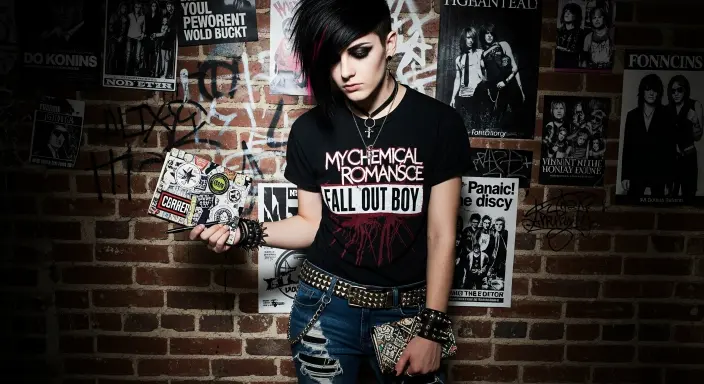
Emo has also become associated with distinctive fashion and style, such as black clothing, band t-shirts, skinny jeans, unique hairstyles, and expressive makeup. These outward expressions often reflect the inner emotional depth that emo culture values.
In today’s world, “emo” is sometimes used casually to describe someone who is sensitive or deeply emotional, but it’s important to remember that emo is a rich, creative culture with a long history.
Understanding this helps separate the stereotypes from the real meaning, giving you a clearer picture of what it truly means to be emo.
History and Evolution of Emo
The story of emo begins in the 1980s, emerging from the hardcore punk scene in Washington, D.C. Bands like Rites of Spring and Embrace pioneered a style of music that combined fast, aggressive punk energy with deeply personal, emotional lyrics.
This was a shift from traditional punk, which focused more on political themes. Early emo, often called emotional hardcore, was about raw honesty and expressing feelings that weren’t commonly discussed in music at the time.
In the 1990s, emo evolved into a more melodic and experimental sound. Bands like Sunny Day Real Estate and Jawbreaker expanded the genre, introducing softer instrumentation, reflective lyrics, and complex song structures. Emo began to gain a dedicated fanbase and started influencing fashion and lifestyle as well.
By the 2000s, emo reached mainstream popularity, particularly with pop-punk bands like My Chemical Romance, Fall Out Boy, and Paramore.
During this era, emo became more than music it turned into a recognizable subculture, complete with signature hairstyles, makeup, and clothing styles. Emotional expression, artistic creativity, and a sense of belonging became hallmarks of the culture.
Today, emo continues to evolve. Modern emo blends elements of indie, punk, and alternative music, while social media has created new spaces for fans to share music, fashion, and art.
From its hardcore roots to mainstream appeal and digital revival, emo has remained a culture defined by authenticity, emotion, and individuality.
Emo Music
Music is the heart of emo culture, and it’s what first defined the subculture. Emo music began as a branch of hardcore punk in the 1980s, emphasizing raw, emotional lyrics and intense energy.
Unlike traditional punk, which focused mainly on political or social issues, emo songs explored personal struggles, relationships, and emotional vulnerability. Bands like Rites of Spring and Embrace set the stage for this new expressive style.
In the 1990s, emo music evolved into a more melodic and experimental sound.
Bands like Sunny Day Real Estate, Jawbreaker, and Texas Is the Reason brought softer guitar riffs, introspective lyrics, and complex song structures, appealing to listeners seeking music that mirrored their feelings.
This era cemented emo as more than a music genre it became a movement of emotional authenticity.
The 2000s marked the mainstream explosion of emo music. Bands such as My Chemical Romance, Fall Out Boy, and Paramore made emo accessible to a wider audience, combining catchy hooks with heartfelt lyrics about love, loss, and self-discovery.
Emo music of this era was not only about sound but also about connecting deeply with fans who felt misunderstood or emotionally isolated.
Today, emo continues to thrive in both mainstream and underground scenes. Modern emo incorporates elements from pop-punk, indie, and alternative rock, while digital platforms like Spotify, TikTok, and YouTube allow fans to discover new emo artists and share playlists.
Whether you’re listening to classic or modern emo, the music remains a powerful outlet for emotional expression and a defining aspect of the culture.
Emo Fashion and Style
Emo is not just a music genre it’s a lifestyle, and fashion plays a huge role in expressing emo identity. Emo fashion is all about combining individuality with emotional expression, often using clothing, hairstyles, and accessories to reflect inner feelings.
One of the most recognizable features is dark clothing, especially black t-shirts, skinny jeans, hoodies, and band merchandise. These outfits often serve as a canvas to showcase favorite bands, personal artwork, or statements about individuality.
Hairstyles are equally important in emo culture. A classic emo look includes side-swept bangs, layered haircuts, and dyed black or brightly colored streaks, which allow fans to express creativity and mood visually.
Makeup is also common, with eyeliner, dark eyeshadow, and nail polish helping to enhance the aesthetic. Accessories like studded belts, wristbands, piercings, and unique jewelry complete the look and often carry personal or symbolic meaning.
Emo fashion has always evolved with trends while maintaining its core principle of emotional self-expression. In the 2000s, skinny jeans, Converse shoes, and band tees were staples, while today’s emo style can mix modern streetwear with nostalgic emo elements.
Social media platforms like TikTok and Instagram have also made it easier for fans to share looks, discover new trends, and create hybrid styles.
Ultimately, emo fashion is more than clothing it’s a visual language. It allows individuals to communicate feelings, identity, and connection to the culture, making emo instantly recognizable and deeply personal at the same time.
Emo Subculture and Lifestyle
Emo is more than just music and fashion it’s a vibrant subculture centered on emotional expression, creativity, and community. At its core, the emo lifestyle encourages individuals to embrace their feelings openly, whether joy, sadness, frustration, or introspection.
This emotional honesty is often expressed through music, writing, art, and personal style, making emo a culture that values self-expression above all.
The emo community has historically formed around shared experiences and interests, from attending live shows and fan meetups to participating in online forums and social media groups.
These spaces allow people to connect over favorite bands, discuss lyrics, share personal stories, or exchange art and poetry. In many ways, the emo subculture provides a supportive environment for those who feel misunderstood or out of place in mainstream culture.
Art and creativity are central to emo life. Many emo fans engage in DIY projects, such as making band merch, creating zines, or writing heartfelt poetry and journals.
These activities reflect the culture’s emphasis on individuality, authenticity, and emotional depth.
Contrary to common stereotypes, being emo is not about being sad all the time. Instead, it’s about acknowledging emotions, processing them, and finding a sense of identity and belonging through music, fashion, and community.
The emo subculture encourages fans to be themselves fully, creating a space where emotions are celebrated rather than hidden.
Emo Stereotypes and Misunderstandings
Despite its rich history and creative depth, emo has long been surrounded by misconceptions and stereotypes.
Many people assume that emo is solely about sadness, depression, or self-harm, but these ideas are oversimplified and often harmful. While emo does embrace emotional honesty, it is not defined by negativity it celebrates the full spectrum of feelings, including joy, love, and creativity.
Another common stereotype is that emo individuals are weak, overly dramatic, or socially awkward. In reality, emo culture emphasizes self-expression, individuality, and resilience.
Fans often use music, fashion, and art as tools to process emotions, communicate experiences, and connect with like-minded people. This emotional openness can actually build confidence, empathy, and strong social bonds within the community.
Media and pop culture have also contributed to misunderstandings. Movies, television shows, and viral memes often exaggerate emo characteristics for comedic or dramatic effect, portraying the subculture as uniformly gloomy or rebellious.
While these depictions are entertaining, they rarely capture the diversity and creativity present in the real emo scene.
Understanding these misconceptions is key to appreciating emo for what it truly is: a supportive, expressive, and creative culture.
By looking beyond the stereotypes, we see that emo is not about sadness alone it’s about embracing emotions, individuality, and community in ways that resonate with fans across generations.
Emo in Modern Pop Culture
Even decades after its musical beginnings, emo continues to influence modern pop culture in surprising ways.
Social media platforms like TikTok, Instagram, and YouTube have introduced emo aesthetics and music to new generations, allowing fans to share outfits, makeup tutorials, playlists, and fan art.
Emo trends often go viral online, blending nostalgic elements from the 2000s with contemporary fashion and digital creativity.
Emo music also remains relevant today. Many modern artists incorporate emo influences into pop, indie, and alternative genres, creating a bridge between past and present.
Playlists featuring classic emo bands alongside contemporary artists allow fans to explore the genre’s evolution and discover new voices within the subculture.
Movies, television shows, and memes also reflect emo’s cultural presence. Characters in teen dramas, animated series, or indie films are often portrayed with emo fashion or attitudes, highlighting themes of identity, self-expression, and emotional complexity.
While sometimes exaggerated for entertainment, these portrayals keep emo in the cultural conversation.
Furthermore, emo has contributed to broader fashion and lifestyle trends. Black clothing, layered hairstyles, expressive makeup, and DIY accessories have crossed into mainstream style, showing that emo aesthetics can influence even those outside the subculture.
Ultimately, emo’s impact on modern pop culture is about visibility, expression, and nostalgia. Its music, fashion, and attitudes continue to resonate with fans, reminding us that emo is more than a passing trend it’s a lasting cultural movement that celebrates individuality and emotional honesty.
Emo for Teens and Young Adults Today
Today, emo continues to resonate strongly with teens and young adults, serving as both a form of self-expression and a supportive community. For many young people, identifying as emo is less about following trends and more about exploring emotions, creativity, and individuality.
Social media platforms, streaming services, and online communities have made it easier than ever to connect with like-minded individuals, share music, and celebrate emo culture in a safe and inclusive environment.
Modern emo teens often mix classic emo elements with contemporary fashion and digital trends. For example, black skinny jeans, band t-shirts, and layered hairstyles might be combined with sneakers, hoodies, or digital art-inspired accessories.
Emo playlists on Spotify or TikTok soundtracks allow them to discover both classic bands like My Chemical Romance and emerging emo-influenced artists, keeping the music scene alive and evolving.
Beyond music and fashion, emo culture today emphasizes emotional literacy and mental health awareness. Teens use emo spaces to express feelings, share personal experiences, and create supportive networks.
Poetry, fan art, and journaling remain popular outlets, reflecting emo’s long-standing connection to creativity and self-expression.
While stereotypes about sadness or negativity still exist, modern emo culture highlights that being emo is about authenticity, connection, and individuality.
For today’s teens and young adults, emo is not just a style or a genre it’s a way to navigate emotions, connect with peers, and celebrate the power of self-expression in a world that often undervalues emotional honesty.
How to Embrace Emo Culture Respectfully
Emo culture is rich, expressive, and deeply personal, and if you want to engage with it, it’s important to do so respectfully.
At its core, emo is about emotional honesty, creativity, and individuality, so the first step is understanding its history and meaning. Take time to learn about the origins of emo music, iconic bands, and the evolution of the subculture.
This knowledge helps avoid common misconceptions and shows appreciation rather than superficial imitation.
Fashion is a visible part of emo identity, but wearing emo styles should be more than just copying trends. Incorporate elements like dark clothing, layered hairstyles, or accessories in ways that reflect your personality.
Emo fashion is about expressing yourself authentically, not trying to fit a stereotype.
Engaging with emo music and art is another respectful way to connect with the culture. Support emo artists, attend shows if possible, and explore playlists that span both classic and modern emo.
Share fan art, writing, or creations inspired by emo aesthetics while crediting original sources and staying mindful of the community.
Finally, respect the emotional aspect of emo culture. Emo is about embracing feelings, vulnerability, and individuality. Avoid mocking or trivializing the subculture, and instead, approach it with curiosity, empathy, and an open mind.
By doing so, you can enjoy and participate in emo culture in a way that honors its history, creativity, and lasting impact.
FAQs:
1. What does emo mean?
“Emo” is short for emotional hardcore, originally a music genre that emerged from punk rock in the 1980s. Over time, it has grown into a subculture and lifestyle centered on emotional expression, music, fashion, and individuality.
2. Is emo the same as being sad?
No. Emo culture values emotional honesty, but it’s not defined by sadness. Emo encourages expressing all emotions joy, love, frustration, and introspection not just negative feelings.
3. What is emo fashion?
Emo fashion typically includes dark clothing, skinny jeans, band t-shirts, hoodies, and layered hairstyles. Makeup, piercings, and accessories like wristbands or studded belts are also common, allowing fans to express themselves visually.
4. Who are some famous emo bands?
Classic emo bands include Rites of Spring, Sunny Day Real Estate, My Chemical Romance, Fall Out Boy, and Paramore. Modern artists continue to draw influence from emo sounds and aesthetics.
5. How is emo different from goth?
While both subcultures feature dark fashion, emo focuses on emotional expression and music, whereas goth is rooted in gothic literature, darker aesthetics, and alternative music. Emo is more about personal feelings and vulnerability.
6. Is emo still popular today?
Yes. Emo continues to thrive in modern music, fashion, and online communities, with social media platforms like TikTok and Instagram helping younger generations discover and express emo culture.
7. Can anyone be emo?
Absolutely. Emo is about authentic self-expression, emotional honesty, and creativity, so anyone who resonates with the culture can embrace it respectfully.
Conclusion:
Emo is much more than a hairstyle, a fashion trend, or a music genre it’s a vibrant subculture rooted in emotional expression, creativity, and individuality.
From its beginnings in the 1980s hardcore punk scene to the mainstream emo wave of the 2000s and its continued presence on social media today, emo has always been about being true to yourself and connecting with others through shared feelings.
The culture encourages fans to embrace emotions openly, If through music, art, fashion, or personal style.
Emo fashion, from black clothing and skinny jeans to expressive hairstyles and accessories, is a visual extension of inner feelings, while emo music provides a powerful outlet for storytelling and emotional connection.
The subculture also fosters a sense of community, offering support and belonging to those who might feel misunderstood elsewhere.
Despite stereotypes portraying emo as sad or dramatic, the reality is that emo celebrates authenticity, vulnerability, and creativity.
If you’re exploring classic emo bands, experimenting with fashion, or connecting with the modern online emo community, engaging with emo culture offers a way to express yourself, explore your emotions, and join a creative, understanding community.
In short, emo is not just a style or a label it’s a lasting cultural movement that continues to inspire, empower, and connect people of all ages who value emotion, individuality, and artistic expression.

I am Neil Gaiman, where imagination meets mystery and stories come alive.
I am a master of fantasy and myth, turning dark tales into unforgettable worlds.
I am proudly featured on Jokestide.com, a place where creativity and storytelling never sleep.