Have you ever wondered why some people excel at planning, decision-making, or controlling their impulses, while others struggle with focus or social interactions?
The secret lies in a fascinating part of the brain called the frontal lobe.
Located at the front of your brain, right behind the forehead, the frontal lobe acts as the brain’s “control center,” overseeing a wide range of crucial functions.
From managing executive functions like problem-solving and reasoning to regulating personality, emotions, and social behavior, this lobe plays a central role in who we are and how we act.
It also controls voluntary movements and helps in speech production, making it vital for daily life.
In this article, we’ll explore what the frontal lobe does, its subdivisions, its impact on behavior, and why keeping it healthy is essential for optimal brain function.
What Is the Frontal Lobe?
The frontal lobe is one of the four main lobes of the brain, located at the very front, just behind the forehead.
Often referred to as the brain’s “command center,” it is essential for many of the functions that make us uniquely human.
This lobe is responsible for executive functions, such as planning, reasoning, problem-solving, and decision-making.
In other words, it helps us think ahead, weigh options, and make choices in daily life.
Anatomically, the frontal lobe is divided into several key areas, each with specialized roles. The prefrontal cortex, located at the very front, is heavily involved in personality, self-awareness, and complex thinking.
The motor cortex, situated near the back of the frontal lobe, controls voluntary movements, allowing us to perform tasks from typing on a keyboard to lifting objects.
Another critical region is Broca’s area, typically found in the left hemisphere, which is essential for speech production and forming coherent sentences.
The frontal lobe is also closely connected with other parts of the brain, including the parietal and temporal lobes, enabling coordination between movement, sensory input, and memory.
Damage to this lobe can significantly affect behavior, decision-making, and motor skills, highlighting its importance in everyday life.
Understanding its structure and function is key to appreciating how the brain governs our thoughts, actions, and personality.
Key Functions of the Frontal Lobe
The frontal lobe is often called the brain’s control center because it oversees a wide variety of essential functions that affect almost every aspect of daily life.
One of its primary responsibilities is managing executive functions, which include planning, reasoning, problem-solving, and decision-making.
These skills allow us to set goals, organize tasks, and make thoughtful choices instead of acting impulsively.
For example, deciding how to budget your money or plan your day relies heavily on a healthy frontal lobe.
Another critical role of the frontal lobe is motor control. The motor cortex, located at the back of the frontal lobe, directs voluntary movements of different parts of the body.
This means every action, from walking and writing to speaking, involves the frontal lobe coordinating with other brain areas.
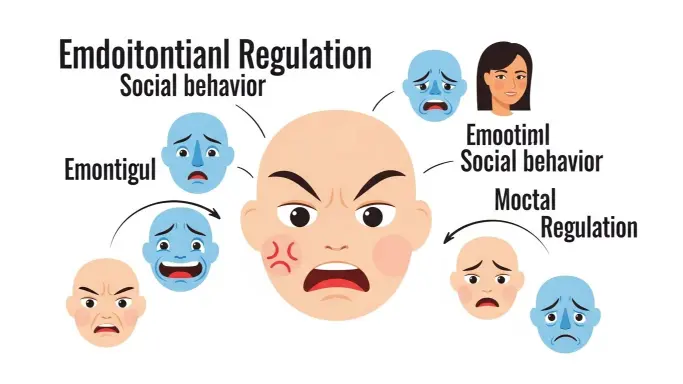
The frontal lobe also plays a major part in personality and social behavior. The prefrontal cortex helps regulate emotions, control impulses, and guide social interactions.
It’s what allows you to remain calm in stressful situations, empathize with others, or make ethical decisions.
Additionally, this lobe supports memory and attention, particularly working memory, which lets you hold and manipulate information in your mind, like remembering instructions while cooking or multitasking at work.
It also contains Broca’s area, which is essential for speech production, helping us communicate clearly and effectively.
In short, the frontal lobe is the hub that combines thought, movement, emotion, and communication making it a cornerstone of human behavior and cognition.
Subdivisions and Specialized Areas of the Frontal Lobe
The frontal lobe is not a single, uniform structure; it is divided into several specialized areas, each responsible for specific aspects of thought, behavior, and movement.
Understanding these subdivisions helps explain how the frontal lobe manages such a wide range of functions.
At the very front lies the prefrontal cortex, the most evolved part of the brain. This area is responsible for executive functions such as planning, decision-making, self-control, and personality expression.
It allows us to think critically, anticipate consequences, and regulate emotions, making it central to social behavior and moral reasoning.
The motor cortex, located toward the back of the frontal lobe, directly controls voluntary movements.
Different sections of the motor cortex correspond to different body parts, enabling precise actions like writing, walking, or playing a musical instrument.
Another important region is Broca’s area, typically located in the left hemisphere. Broca’s area is crucial for speech production and language processing.
Damage to this area can result in difficulty forming words or constructing sentences, even though comprehension may remain intact.
The orbitofrontal cortex, situated above the eyes, is involved in decision-making and impulse control.
It helps us evaluate risks and rewards, guiding socially appropriate behavior and preventing rash actions.
Each of these subdivisions works together, forming a network that integrates thought, emotion, movement, and communication.
By coordinating these diverse functions, the frontal lobe enables humans to plan, interact socially, and navigate complex environments with skill and awareness.
Frontal Lobe Disorders and Damage
The frontal lobe plays a crucial role in decision-making, personality, movement, and social behavior, so damage to this area can have profound effects on a person’s life.
Injuries can occur due to traumatic brain injury (TBI), stroke, tumors, or neurodegenerative diseases such as Alzheimer’s or frontotemporal dementia.
Even minor damage may affect behavior, while severe injuries can drastically alter personality and cognitive abilities.
One of the most common effects of frontal lobe damage is impulsivity and poor decision-making. Individuals may struggle to plan for the future, evaluate consequences, or control inappropriate behaviors.
Emotional regulation is often impaired, leading to mood swings, irritability, or apathy.
In some cases, damage to the prefrontal cortex can result in personality changes, making someone act very differently from their previous self.
Motor skills may also be affected if the motor cortex is damaged. This can cause weakness, difficulty coordinating movements, or problems performing everyday tasks such as writing, walking, or using utensils.
Language can be impacted as well. Damage to Broca’s area may lead to Broca’s aphasia, which makes it difficult to form coherent speech, although understanding language may remain intact.
A classic example of frontal lobe injury is Phineas Gage, who survived an iron rod passing through his frontal lobe.
While he retained basic cognitive abilities, his personality and social behavior changed dramatically, highlighting the lobe’s critical role in decision-making and social conduct.
Understanding these disorders underscores how essential the frontal lobe is to personality, movement, communication, and overall daily functioning.
Importance of the Frontal Lobe in Daily Life
The frontal lobe is essential for many of the tasks we perform every day, often without even thinking about them.
From making decisions to controlling emotions, this part of the brain influences almost every aspect of our daily lives.
One of its most noticeable roles is in decision-making and problem-solving.
Whether you are planning your day, choosing a meal, or making financial choices, your frontal lobe is hard at work, helping you weigh options and anticipate outcomes.
Another key function is social behavior and emotional regulation. The prefrontal cortex allows us to interact appropriately with others, showing empathy, controlling impulses, and responding to social cues.
For example, it helps you remain calm during a stressful situation at work or think before speaking in a conversation.
Motor control, regulated by the motor cortex, is also critical in daily activities.
Simple tasks like typing, driving, or even pouring a cup of coffee rely on precise coordination between the frontal lobe and other brain areas.
The frontal lobe also supports memory and attention, particularly working memory, which helps you remember instructions or manage multiple tasks at once.
Meanwhile, Broca’s area ensures you can communicate clearly, allowing you to express thoughts effectively.
In short, the frontal lobe acts as the brain’s executive hub, integrating thought, movement, emotion, and communication.
Its proper function enables us to navigate complex situations, interact socially, and achieve goals, making it indispensable for a productive and balanced life.
How to Keep Your Frontal Lobe Healthy
Keeping the frontal lobe healthy is essential for maintaining cognitive abilities, emotional regulation, and motor control throughout life.
Just as regular exercise strengthens muscles, the brain benefits from targeted mental and physical activities that stimulate the frontal lobe.
Mental stimulation is one of the most effective ways to support frontal lobe function.
Engaging in problem-solving tasks, puzzles, learning new skills, or playing strategy games helps strengthen executive functions such as planning, reasoning, and decision-making.
Even reading, writing, or learning a new language can keep this part of the brain active and sharp.
Physical exercise also plays a significant role. Activities like jogging, swimming, or yoga increase blood flow to the brain, which improves oxygen supply and promotes the growth of new neurons.
Coordinated exercises, such as dancing or sports, additionally enhance motor skills by engaging the motor cortex in the frontal lobe.
A healthy lifestyle supports brain health too. Adequate sleep ensures the brain consolidates memories and clears out toxins, while a balanced diet rich in omega-3 fatty acids, antioxidants, and vitamins nourishes neural networks.
Stress management is equally important; chronic stress can impair frontal lobe function, affecting decision-making, focus, and emotional control.
Finally, social interaction keeps the frontal lobe active by challenging emotional regulation, empathy, and communication skills.
Maintaining friendships, participating in group activities, or even volunteering can strengthen neural pathways.
By combining mental exercises, physical activity, proper nutrition, sleep, and social engagement, you can protect and enhance the function of your frontal lobe, supporting cognitive health and overall well-being.
FAQs About the Frontal Lobe
1. What is the frontal lobe responsible for?
The frontal lobe is responsible for executive functions, including planning, decision-making, problem-solving, and goal setting. It also regulates personality, emotions, social behavior, motor control, and speech production.
2. Where is the frontal lobe located?
The frontal lobe is located at the front part of the brain, just behind the forehead. It is one of four major brain lobes, alongside the parietal, occipital, and temporal lobes.
3. What happens if the frontal lobe is damaged?
Damage can result in impulsivity, poor decision-making, personality changes, memory problems, difficulty speaking, and motor skill impairments. Severe injuries may drastically affect behavior and daily functioning.
4. What are the subdivisions of the frontal lobe?
Key areas include the prefrontal cortex (planning and personality), motor cortex (movement control), Broca’s area (speech production), and orbitofrontal cortex (impulse control and decision-making).
5. How can I keep my frontal lobe healthy?
Maintain frontal lobe health through mental exercises like puzzles and learning, physical activity for blood flow, adequate sleep, a balanced diet, stress management, and social interaction to strengthen cognitive and emotional skills.
6. Why is the frontal lobe important in daily life?
It allows humans to plan, make decisions, regulate emotions, communicate, and coordinate movements, making it essential for learning, relationships, work, and overall quality of life.
Conclusion
The frontal lobe is one of the most important regions of the human brain, acting as the control center for thought, behavior, movement, and personality.
From managing complex executive functions like planning, decision-making, and problem-solving to regulating emotions, social interactions, and impulse control, this lobe plays a critical role in shaping who we are and how we navigate the world.
Its motor cortex ensures smooth voluntary movements, while Broca’s area allows us to communicate effectively through speech.
Damage or dysfunction in the frontal lobe, caused by injury, stroke, or neurological disorders, can profoundly affect personality, decision-making, motor skills, and language.
Famous cases, like Phineas Gage, highlight how changes in this area can alter behavior and social conduct, underlining its essential role in daily life.
Fortunately, we can actively support frontal lobe health. Mental stimulation, such as puzzles or learning new skills, along with physical exercise, a balanced diet, adequate sleep, and stress management, all contribute to maintaining and improving its function.
Social engagement and emotional practice further strengthen neural connections, enhancing both cognitive and emotional abilities.
Understanding the frontal lobe not only provides insight into how our brains work but also emphasizes the importance of protecting it.
By nurturing this vital part of the brain, we can improve our decision-making, problem-solving, communication, and overall quality of life, ensuring that our mental, emotional, and physical abilities remain strong for years to come.

I am Harper Lee, the voice behind Jokestide.com, where humor meets creativity.
I am here to serve fresh, trending jokes and puns that make every scroll worth it.
I am turning everyday smiles into share-worthy laughs welcome to the fun side of the web