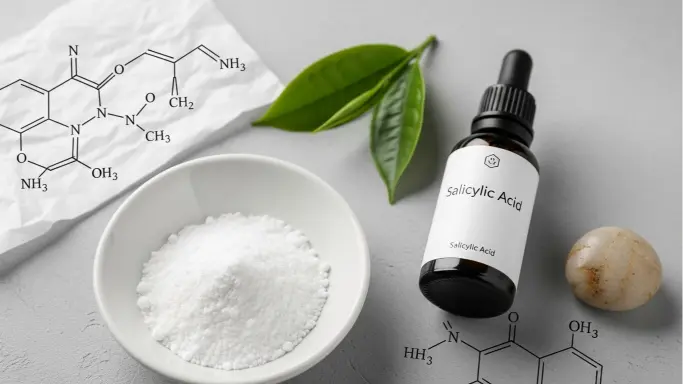
Salicylic acid is one of the most talked-about skincare ingredients and for good reason.
If you’ve ever struggled with acne, blackheads, clogged pores, or oily skin, chances are you’ve seen salicylic acid listed on product labels.
But what does salicylic acid actually do, and why do dermatologists recommend it so often?
Many people use it without fully understanding how it works or whether it’s right for their skin type.
Salicylic acid is a beta hydroxy acid (BHA) known for its ability to penetrate deep into pores and remove excess oil, dirt, and dead skin cells.
Unlike surface-level exfoliants, it works from within the pore, making it especially effective for acne-prone and oily skin.
In this article, we’ll break down what salicylic acid does for your skin, how it works, its benefits, possible side effects, and how to use it safely so you can decide if it deserves a place in your skincare routine.
What Is Salicylic Acid?
Salicylic acid is a widely used skincare ingredient best known for treating acne and unclogging pores. It belongs to a group of chemical exfoliants called beta hydroxy acids (BHAs).
Unlike alpha hydroxy acids (AHAs), which work mainly on the skin’s surface, salicylic acid is oil-soluble, meaning it can penetrate deep into pores where oil, dirt, and dead skin cells build up.
Originally derived from willow bark, salicylic acid is now commonly produced synthetically to ensure consistency and safety in skincare products.
You’ll find it in many over-the-counter treatments such as cleansers, toners, serums, spot treatments, and masks.
Dermatologists often recommend it because it targets one of the main causes of acne: clogged pores combined with excess oil (sebum).
What makes salicylic acid especially effective is its ability to break down the bonds between dead skin cells. This process helps exfoliate the skin from within the pore rather than just on the surface.
As a result, pores appear clearer, breakouts are reduced, and skin texture gradually becomes smoother.
Salicylic acid is commonly used in concentrations ranging from 0.5% to 2% in skincare products.
Lower strengths are ideal for beginners or sensitive skin, while higher concentrations are typically used for more stubborn acne or oily skin types.
Because of its exfoliating and anti-inflammatory properties, salicylic acid is considered one of the most effective and researched ingredients for managing acne-prone skin.
How Salicylic Acid Works (Science Explained Simply)
To understand what salicylic acid does, it helps to know how it works beneath the skin’s surface.
Salicylic acid is an oil-soluble beta hydroxy acid (BHA), which allows it to travel through the skin’s natural oils and reach deep inside the pores.
This is what makes it especially effective for acne, blackheads, and oily skin.
Inside the pore, salicylic acid loosens the glue-like bonds that hold dead skin cells together. When these dead cells mix with excess oil, they can block pores and lead to breakouts.
By breaking down this buildup, salicylic acid helps clear existing clogs and prevents new ones from forming.
Unlike physical scrubs, which can be harsh and abrasive, salicylic acid exfoliates chemically and gently, reducing the risk of micro-tears in the skin.
Another important benefit is its anti-inflammatory effect. Salicylic acid can help calm redness and swelling associated with acne, making pimples appear less angry and painful.
It also creates an environment inside the pore that is less friendly to acne-causing bacteria.
Because it works both as an exfoliant and a pore-clearing agent, salicylic acid improves overall skin texture over time.
With consistent use, many people notice fewer breakouts, smaller-looking pores, and smoother skin.
However, since it actively exfoliates, overuse can lead to dryness or irritation, which is why using the right concentration and frequency is essential for healthy results.
What Does Salicylic Acid Do for Skin?
Salicylic acid offers multiple benefits for the skin, especially for those dealing with acne, oiliness, and uneven texture.
Its most well-known role is clearing clogged pores. By penetrating deep into the pores, it removes excess oil, dirt, and dead skin cells that often cause blackheads, whiteheads, and breakouts.
One of the key things salicylic acid does is treat and prevent acne. It doesn’t just dry out existing pimples; it works to stop future breakouts by keeping pores clean and reducing inflammation.
This makes it particularly effective for mild to moderate acne, including hormonal and adult acne.
Salicylic acid also helps control excess oil production. For people with oily or combination skin, regular use can reduce shine and help the skin feel more balanced throughout the day.
As oil levels normalize, pores often appear smaller and less noticeable.
Another benefit is improving skin texture. By gently exfoliating, salicylic acid removes rough, flaky skin and encourages cell turnover.
Over time, this leads to smoother, clearer-looking skin. It can also help fade mild post-acne marks by promoting more even skin renewal.
In addition, salicylic acid has calming properties that help reduce redness and swelling in inflamed breakouts.
This makes acne appear less severe and supports faster healing. When used correctly and consistently, salicylic acid can transform congested, uneven skin into a clearer and healthier-looking complexion.
Benefits of Salicylic Acid by Skin Type
Salicylic acid can be beneficial for several skin types, but its effects vary depending on how your skin behaves.
Understanding how it works for your specific skin type helps you use it more effectively and safely.
For oily skin, salicylic acid is especially helpful because it dissolves excess sebum inside the pores.
This reduces shine, prevents clogged pores, and lowers the chances of frequent breakouts.
Many people with oily skin notice clearer pores and a more balanced complexion with regular use.
Those with acne-prone skin benefit from salicylic acid’s pore-clearing and anti-inflammatory properties.
It helps treat active acne while also preventing new pimples from forming. Because it targets blackheads and whiteheads at their source, it’s a go-to ingredient for mild to moderate acne.
For combination skin, salicylic acid can help manage oilier areas like the T-zone without affecting drier areas when used correctly.
Using lower concentrations or targeted application can deliver results without over-drying the skin.
People with sensitive skin can still use salicylic acid, but caution is important. Low-strength formulas used a few times a week may help unclog pores gently.
However, overuse can lead to irritation, redness, or dryness, so patch testing is essential.
Both teenagers and adults can benefit from salicylic acid. Teens often use it for excess oil and breakouts, while adults may rely on it to manage hormonal acne and uneven texture.
When matched to the right skin type and routine, salicylic acid can be an effective and versatile skincare ingredient.
Medical & Dermatological Uses of Salicylic Acid
Beyond everyday skincare, salicylic acid has a long history of medical and dermatological use.
Dermatologists rely on this ingredient because of its ability to exfoliate, reduce inflammation, and break down thickened skin. Its effectiveness goes far beyond treating acne alone.
One of the most common medical uses of salicylic acid is in acne treatments, both over-the-counter and prescription-based.
Higher-strength formulations are often recommended for persistent or inflammatory acne under professional guidance.
By keeping pores clear and reducing redness, it helps manage breakouts more effectively.
Salicylic acid is also widely used in scalp treatments, especially for dandruff and seborrheic dermatitis.
It works by loosening flakes and reducing buildup on the scalp, allowing medicated shampoos to work more effectively.
This makes it a key ingredient in many anti-dandruff products.
In dermatology, salicylic acid is used to treat psoriasis and certain forms of eczema at low concentrations. It helps soften thick, scaly patches and improves the penetration of other topical treatments. However, medical supervision is important in these cases.
Another important use is in the treatment of corns, calluses, and warts. Higher concentrations of salicylic acid gradually break down hardened skin, making it easier to remove.
It is also commonly used for keratosis pilaris (KP), helping smooth rough, bumpy skin on areas like the arms and thighs.
Because of its wide range of applications, salicylic acid remains one of the most trusted and versatile ingredients in both cosmetic and medical dermatology.
Types of Salicylic Acid Products
Salicylic acid is available in many different skincare and dermatological products, allowing users to choose a format that best suits their skin concerns and routine.
Each product type delivers salicylic acid in a slightly different way, affecting how strong and effective it feels on the skin.
Cleansers containing salicylic acid are a popular starting point for beginners. Because they are rinsed off, they provide gentle exfoliation and pore cleansing with a lower risk of irritation. These are ideal for oily or acne-prone skin that needs daily maintenance.
Toners and liquid exfoliants are leave-on products that allow salicylic acid to stay on the skin longer.
This makes them more effective at clearing pores and reducing blackheads, but they should be used carefully, especially by those with sensitive skin.
Serums and spot treatments deliver a more concentrated dose of salicylic acid directly to problem areas. These products are often used to target active breakouts and stubborn clogged pores.
Masks and chemical peels provide a deeper exfoliating treatment. They are usually used once or twice a week and can help improve texture, reduce congestion, and refresh dull skin.
Salicylic acid is also found in body washes, which are helpful for body acne on the chest, back, and shoulders.
Additionally, scalp treatments and shampoos use salicylic acid to remove buildup and flakes.
Choosing the right product type depends on your skin type, sensitivity level, and specific concerns.
Using too many salicylic acid products at once can lead to irritation, so it’s best to introduce them gradually and monitor your skin’s response.
Salicylic Acid Strengths & Concentrations
Salicylic acid comes in a variety of concentrations, and choosing the right one is essential for safe and effective results.
The strength determines how deeply the acid penetrates the pores and how intense the exfoliation will be.
Most over-the-counter skincare products contain 0.5% to 2% salicylic acid, which is generally safe for daily or regular use.
0.5% salicylic acid is ideal for beginners or sensitive skin types. It provides mild exfoliation and helps prevent clogged pores without causing excessive dryness or irritation. This concentration is often found in cleansers and gentle toners.
1% salicylic acid is the most common concentration in acne treatments and leave-on products. It balances effectiveness with tolerability, making it suitable for oily, combination, or acne-prone skin.
Users typically see visible improvements in blackheads, whiteheads, and overall skin texture within a few weeks.
2% salicylic acid is the strongest concentration available in over-the-counter products. It is used for more stubborn acne, thicker congestion, or body acne on areas like the back or chest.
While effective, it can cause dryness, flaking, or irritation if overused, especially on sensitive skin.
Higher concentrations above 2% are usually reserved for professional chemical peels or prescription treatments and should only be used under dermatological supervision.
Tip for safe use: Start with a lower concentration to assess tolerance, gradually increasing as your skin adjusts. Overuse or combining multiple salicylic acid products at once can lead to irritation, redness, or peeling.
Using the right concentration for your skin type ensures maximum benefits without unnecessary side effects.
How to Use Salicylic Acid Correctly
Using salicylic acid properly is key to getting results without irritating your skin. Because it actively exfoliates and penetrates pores, overuse can cause dryness, redness, or peeling. Here’s a step-by-step guide to help you use it safely and effectively.
1. Start Slowly: If you’re new to salicylic acid, begin with products containing 0.5–1% concentration and use them every other day. This allows your skin to adjust and minimizes the risk of irritation.
2. Choose the Right Product: Cleansers are a gentle introduction, toners or leave-on liquids are more potent, and serums or spot treatments deliver targeted results. Select the product that matches your skin type and goals.
3. Apply on Clean Skin: Start with a clean, dry face. If using a cleanser, follow up with a moisturizer. For leave-on products, apply a thin layer to the affected area, avoiding sensitive areas like the eyes and lips.
4. Moisturize: Salicylic acid can be drying. Use a gentle, non-comedogenic moisturizer afterward to maintain hydration and skin barrier health.
5. Sunscreen is Essential: Exfoliating acids make your skin more sensitive to the sun. Always apply broad-spectrum SPF during the day to protect against sunburn and hyperpigmentation.
6. Monitor Skin Reaction: Redness, burning, or excessive peeling indicates overuse. Reduce frequency or switch to a lower concentration if necessary.
7. Consistency Over Intensity: Visible improvements usually appear after 4–6 weeks of regular use. Patience and consistent application are more effective than frequent, heavy use.
By following these steps, you can safely integrate salicylic acid into your skincare routine for clearer, smoother, and healthier-looking skin.
Side Effects of Salicylic Acid
While salicylic acid is generally safe for most people, it can cause side effects, especially if overused or applied incorrectly.
Understanding these potential issues helps you use it safely and effectively.
The most common side effect is dryness and peeling. Because salicylic acid exfoliates dead skin cells and penetrates pores, it can strip natural oils, leaving the skin dry or flaky.
This is more common with higher concentrations or frequent use.
Irritation and redness can also occur, particularly for sensitive skin. Some users may experience a mild burning or stinging sensation when first applying salicylic acid.
This usually subsides as the skin adjusts, but persistent irritation may require reducing frequency or switching to a lower concentration.
Another phenomenon is skin purging, which happens when underlying clogged pores surface after starting salicylic acid.
Purging typically lasts 1–4 weeks and can be mistaken for worsening acne. Patience and consistent use usually resolve it.
Rarely, allergic reactions can occur. Signs include severe redness, swelling, itching, or hives. If this happens, discontinue use immediately and consult a dermatologist.
Overuse of salicylic acid, or combining multiple exfoliating products, can lead to over-exfoliation, resulting in weakened skin barrier, sensitivity, and increased dryness.
To minimize side effects, start with lower concentrations, use products as directed, and always moisturize after use.
Applying sunscreen during the day is essential, as exfoliated skin is more prone to sunburn and irritation.
With proper care, the benefits of salicylic acid usually outweigh the risks for most users.
Who Should & Should Not Use Salicylic Acid
Salicylic acid is a versatile skincare ingredient, but it’s not suitable for everyone.
Knowing who can benefit from it and who should avoid it ensures safe and effective use.
Who Should Use Salicylic Acid:
- Oily and acne-prone skin: Salicylic acid works best for people with excess oil, blackheads, and mild to moderate acne. It helps unclog pores, reduce breakouts, and improve skin texture.
- Combination skin: Those with a mix of dry and oily areas can benefit from targeted use, such as applying salicylic acid to the T-zone while avoiding drier regions.
- People struggling with clogged pores or blackheads: Even without active acne, salicylic acid can help maintain clear pores and prevent future breakouts.
Who Should Avoid or Use Caution:
- Very dry or sensitive skin: Salicylic acid may cause excessive dryness, irritation, or redness. Lower concentrations or less frequent use is recommended, if at all.
- People with aspirin allergies: Since salicylic acid is chemically related to aspirin, those with allergies should avoid it or consult a dermatologist first.
- Pregnant or breastfeeding individuals: While small amounts in skincare are generally considered safe, it’s best to consult a healthcare provider before use.
- Broken or inflamed skin: Applying salicylic acid on open wounds, sunburns, or irritated skin can worsen discomfort or irritation.
Using salicylic acid with the right concentration and frequency, matched to your skin type, maximizes its benefits while minimizing side effects.
If you’re unsure, patch testing a small area first is always recommended.
Salicylic Acid vs Other Skincare Acids
Salicylic acid is one of several popular chemical exfoliants in skincare. Understanding how it compares to other acids helps you choose the right ingredient for your skin concerns.
Salicylic Acid vs Glycolic Acid
Glycolic acid is an alpha hydroxy acid (AHA) that works primarily on the surface of the skin to remove dead cells.
It is water-soluble, making it effective for improving skin texture and reducing fine lines.
In contrast, salicylic acid is oil-soluble, allowing it to penetrate deep into pores, making it more effective for acne, blackheads, and oily skin.
Salicylic Acid vs Lactic Acid
Lactic acid, another AHA, is gentler and ideal for sensitive or dry skin. It exfoliates the surface without deeply penetrating pores.
Salicylic acid, by comparison, targets clogged pores and excess sebum, making it better for acne-prone skin.
Salicylic Acid vs Benzoyl Peroxide
Benzoyl peroxide is an antibacterial agent that kills acne-causing bacteria. While highly effective for inflammatory acne, it can be very drying and sometimes irritating.
Salicylic acid is less harsh, focusing on preventing clogs and calming inflammation, and can be combined with benzoyl peroxide in a careful routine.
Salicylic Acid vs Retinol
Retinol boosts cell turnover and reduces fine lines, pigmentation, and acne. Salicylic acid works more immediately to clear pores and prevent breakouts.
Many skincare routines pair retinol and salicylic acid on alternating days to get the benefits of both without over-exfoliating.
Choosing the right acid depends on your skin type, goals, and tolerance. For oily or acne-prone skin, salicylic acid is often the first choice, while other acids may be better for anti-aging, sensitive, or dry skin concerns.
Ingredients That Work Well With Salicylic Acid
Combining salicylic acid with complementary skincare ingredients can enhance results while keeping skin balanced and healthy. Understanding which ingredients pair well can improve acne control, hydration, and overall skin texture.
1. Niacinamide
Niacinamide, also known as vitamin B3, is a gentle ingredient that reduces redness, minimizes pores, and strengthens the skin barrier. When paired with salicylic acid, it helps prevent irritation and dryness while enhancing the acid’s acne-fighting effects.
2. Hyaluronic Acid
Salicylic acid can be drying due to its exfoliating action. Hyaluronic acid is a humectant that attracts and retains water in the skin, keeping it hydrated and plump. Using it alongside salicylic acid helps maintain moisture balance and reduces flakiness.
3. Ceramides
Ceramides are essential lipids that strengthen the skin’s natural barrier. After using salicylic acid, applying ceramides can protect the skin from irritation and help maintain long-term skin health.
4. Zinc
Zinc has anti-inflammatory properties and can help regulate oil production. When combined with salicylic acid, it supports acne prevention and reduces redness in inflamed areas.
5. Gentle Moisturizers
A non-comedogenic moisturizer after using salicylic acid prevents over-drying and supports the skin barrier. Moisturizing ensures that exfoliation improves skin texture without causing irritation.
Using these ingredients in combination with salicylic acid maximizes benefits while minimizing potential side effects.
It’s important to introduce new products gradually, monitor skin response, and avoid layering multiple strong exfoliants simultaneously.
Ingredients to Avoid Mixing With Salicylic Acid
While salicylic acid pairs well with several supportive ingredients, combining it with certain products can cause irritation, over-exfoliation, or decreased effectiveness. Knowing what to avoid ensures safe use and prevents skin issues.
1. Strong Retinoids
Retinoids, such as retinol or prescription tretinoin, are potent exfoliants that increase cell turnover. Using them simultaneously with salicylic acid can overwhelm the skin, causing redness, dryness, and peeling. If you want to use both, alternate days or use retinoids at night and salicylic acid in the morning with sunscreen.
2. Multiple Exfoliating Acids
Layering other chemical exfoliants, like glycolic acid, lactic acid, or mandelic acid, with salicylic acid can lead to over-exfoliation. This may weaken the skin barrier, increase sensitivity, and trigger irritation or breakouts instead of preventing them.
3. Alcohol-Heavy Products
Toners or cleansers with high alcohol content can dry out the skin when combined with salicylic acid. The combination can strip essential oils, causing tightness, flakiness, and even inflammation.
4. Harsh Physical Scrubs
Scrubs with large, rough particles can damage exfoliated skin when used with salicylic acid, leading to microtears and redness. Chemical exfoliation should generally replace physical scrubbing for safer results.
5. Certain Essential Oils
Some essential oils, like citrus or peppermint, can be irritating when applied alongside salicylic acid, especially for sensitive skin.
To safely use salicylic acid, focus on gentle, hydrating, and barrier-supportive ingredients. Avoid mixing strong acids, retinoids, or harsh agents on the same day. Gradual introduction and patch testing help maintain healthy, balanced skin while enjoying the benefits of salicylic acid.
Frequently Asked Questions About Salicylic Acid
Salicylic acid is a popular skincare ingredient, but many people have questions about its use, safety, and effectiveness. Here are answers to the most common questions:
1. What does salicylic acid do to your face?
Salicylic acid penetrates deep into the pores to remove excess oil, dirt, and dead skin cells. It helps prevent and treat acne, reduces blackheads and whiteheads, improves skin texture, and calms redness in inflamed areas.
2. Can I use salicylic acid every day?
Daily use is possible, especially with lower concentrations (0.5–1%), but beginners should start every other day. Overuse can cause dryness, irritation, or peeling. Always monitor your skin’s response and adjust frequency accordingly.
3. Is salicylic acid good for acne scars?
While salicylic acid helps prevent acne and reduces inflammation, it does not directly remove deep acne scars. However, by improving overall skin texture and promoting cell turnover, it may help reduce the appearance of minor post-acne marks over time.
4. Can salicylic acid make acne worse?
Some users experience “purging,” where breakouts appear initially as clogged pores come to the surface. This is temporary and usually resolves within 1–4 weeks. Persistent worsening may indicate overuse or sensitivity.
5. Is salicylic acid safe long-term?
Yes, when used at appropriate concentrations and frequency. Long-term use can maintain clear pores and prevent breakouts. However, always pair with moisturizer and sunscreen to protect the skin barrier and prevent dryness or sun sensitivity.
Answering these questions helps readers feel confident using salicylic acid safely while understanding its benefits and limitations.
Final Verdict:
Salicylic acid is one of the most effective and versatile ingredients in skincare, especially for acne-prone, oily, or combination skin.
Its ability to penetrate deep into pores, dissolve excess oil, and gently exfoliate makes it a powerful tool for preventing and treating breakouts, blackheads, and uneven texture.
Beyond acne, it also helps calm inflammation, smooth the skin, and improve overall complexion when used correctly.
While the benefits are clear, salicylic acid must be used with care. Choosing the right concentration, product type, and frequency is essential to avoid side effects like dryness, irritation, or over-exfoliation.
Sensitive skin, very dry skin, or individuals with certain allergies should consult a dermatologist before use.
Using complementary ingredients like niacinamide, hyaluronic acid, and ceramides can enhance results while protecting the skin barrier.
Consistency is key. Most users see visible improvements in pore clarity, breakouts, and texture within 4–6 weeks of regular, correct use.
Paired with proper moisturization and daily sunscreen, salicylic acid can become a cornerstone of a safe and effective skincare routine.
In conclusion, salicylic acid is a science-backed, reliable ingredient that addresses common skin concerns with minimal risk when used responsibly.
If you’re a teen dealing with acne, an adult managing hormonal breakouts, or someone struggling with clogged pores, salicylic acid offers a proven way to achieve clearer, smoother, and healthier-looking skin.

I am Harper Lee, the voice behind Jokestide.com, where humor meets creativity.
I am here to serve fresh, trending jokes and puns that make every scroll worth it.
I am turning everyday smiles into share-worthy laughs welcome to the fun side of the web