Have you ever been scrolling through social media or texting a friend and suddenly saw “OML” pop up, leaving you wondering, “What does this even mean?”
You’re not alone. Acronyms like OML have become a staple in online conversations, especially on platforms like TikTok, Instagram, and Twitter.
While similar to the well-known “OMG,” OML carries its own unique tone and vibe, often expressing surprise, shock, excitement, or even exasperation.
Understanding these digital shorthand expressions can save you from awkward miscommunications and help you stay in the loop with internet slang.
In this guide, we’ll break down the meaning of OML, explore how and where people use it, compare it to other acronyms, and even share some fun examples from real-life texting and social media.
By the end, you’ll know exactly how to spot OML and maybe even use it yourself confidently.
OML Meaning Explained
OML is a popular internet acronym that often appears in texting, social media, and chat apps.
The most common meanings are “Oh My Lord” or “Oh My Life”, depending on the context. Both expressions convey strong emotions, such as shock, excitement, disbelief, or even frustration.
While similar to the widely used “OMG” (Oh My God), OML is typically more casual and flexible in tone, making it a favorite among younger audiences online.
The origin of OML is somewhat informal it emerged from digital conversations where users wanted a quick way to express strong reactions without typing a full sentence.
Over time, it became a staple in memes, TikTok captions, and social media posts. People often use OML when something surprising, outrageous, or unbelievably funny happens.
For example, someone might text, “OML, I can’t believe I just saw that!” or comment on a post, “OML, this is too funny!”
OML isn’t just limited to excitement or laughter it can also show exasperation or disbelief.
For instance, after a stressful event, someone might type, “OML, not again!” This versatility is one reason OML has become so widespread.
In short, whenever you see OML online, it’s expressing a strong emotional reaction, and understanding the context will help you interpret it correctly.
Unlike formal acronyms, OML thrives on casual, playful communication, making it a core part of internet slang today.
Where People Use OML
OML has become a staple in online communication, appearing across texting apps, social media platforms, and internet culture in general.
One of the most common places you’ll encounter OML is in text messages. Friends often use it to react quickly to shocking or funny news without typing a full response.
For example, if someone shares an unbelievable story, a simple “OML!” can convey all the emotion needed.
On social media platforms like Instagram, TikTok, and Twitter, OML is frequently used in captions, comments, and posts.
TikTok videos, in particular, often include OML in captions to express surprise or excitement about a viral trend or funny moment.
Instagram users might comment “OML, I can’t stop laughing!” on memes, while Twitter users use it in short, snappy reactions to news or trending topics.
OML also appears in online forums and chat apps such as Discord, Reddit, and WhatsApp groups.
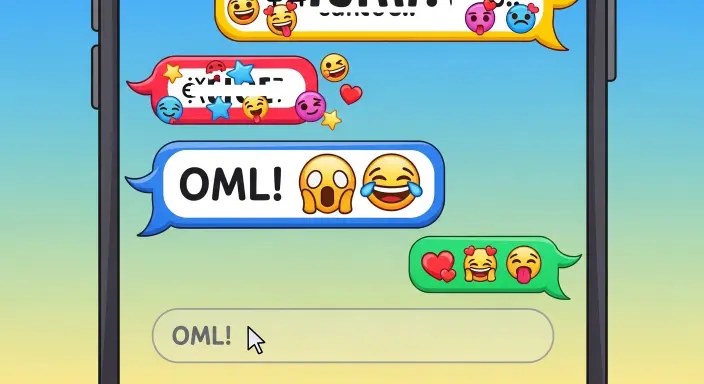
It allows users to react instantly in casual conversations, often paired with emojis to amplify the emotion. For instance, “OML 😱 I can’t believe this happened!” conveys a mix of shock and excitement.
Finally, OML is widely seen in memes and GIFs, where exaggerated reactions match the acronym. Memes often pair OML with funny or shocking images, making it instantly relatable and shareable.
Its versatility across texting, social media, and memes is what has cemented OML as a key part of internet slang today.
OML vs OMG: Are They the Sae?
OML and OMG are often confused because both acronyms express strong emotions, but they have subtle differences in tone and usage.
OMG stands for “Oh My God” and is widely recognized across the globe. It typically conveys shock, surprise, or excitement, often in a slightly dramatic or exaggerated way.
OMG can sometimes carry a more serious or formal tone depending on the context, although it is still commonly used in casual messaging.
On the other hand, OML, which stands for “Oh My Lord” or “Oh My Life”, is more casual, playful, and versatile.
It is often used in informal texting, social media captions, or meme culture to express emotions ranging from disbelief to excitement to exasperation.
For example, after seeing a hilarious TikTok, someone might comment, “OML, I can’t stop laughing!” In contrast, OMG could be used in a slightly more dramatic reaction, such as, “OMG, I can’t believe this news!”
Another key difference is context and audience. OML tends to be more popular among younger internet users, especially in meme-driven or social media-heavy environments.
OMG, being more established, is recognized by almost all age groups and may appear in slightly more formal online communications.
Understanding this distinction helps you choose the right acronym for your message.
If you want a casual, funny, or relatable reaction, OML is the go-to. If your reaction is dramatic, shocking, or slightly more formal, OMG works best.
Both acronyms serve similar purposes, but knowing the nuance ensures your message lands perfectly.
Examples of OML in Texting
Seeing OML in texts or chats can sometimes be confusing if you’re not familiar with its usage.
The good news is, once you see a few examples, it becomes easy to understand the emotion behind it.
OML is commonly used to express shock, excitement, disbelief, or frustration in a short, casual way.
For example, imagine your friend just told you they got tickets to your favorite concert. You might respond with:
“OML! I can’t believe it, this is amazing!”
Or, if someone shares a funny but ridiculous story about their day:
“OML 😂 I literally cannot stop laughing at this!”
OML can also show frustration or exasperation. Suppose your sibling accidentally broke your phone again. You might text:
“OML, not again! You have to be more careful!”
It’s not limited to text messages either. People use OML in group chats, often paired with emojis to amplify the emotion:
“OML 😱 that was nonsensical!”
or
“OML 😩 why is this happening?”
The versatility of OML makes it perfect for quick reactions without writing long sentences. It fits perfectly in casual conversations, social media DMs, and even meme captions.
By using OML, you convey your emotional reaction instantly, whether it’s laughter, shock, or disbelief, making your text feel relatable and lively.
OML in Popular Culture
OML has become more than just a texting acronym it’s now a recognizable part of internet culture and social media trends.
On platforms like TikTok, Instagram, and Twitter, OML is widely used in captions, comments, and trending content to express surprise, excitement, or shock.
For example, TikTok creators often use OML in video captions to highlight unexpected moments, funny fails, or shocking transformations. These short reactions resonate with viewers and make the content instantly relatable.
Memes are another area where OML thrives. Internet users frequently pair OML with exaggerated images, GIFs, or humorous scenarios.
For instance, a meme showing someone reacting dramatically to a small inconvenience might have the caption, “OML, this is everything!” The combination of OML with visual humor amplifies the emotional impact, making it highly shareable.
OML also appears in viral challenges and online trends. Users incorporate it into short-form content to grab attention quickly, especially when reacting to shocking or unbelievable situations.
It has become part of the casual, expressive language of younger audiences, helping creators convey emotions in a fun and relatable way.
Even outside social media, OML has seeped into messaging apps, group chats, and forum discussions.
Its widespread use in pop culture shows how internet slang evolves to meet the fast-paced, expressive nature of online communication.
By understanding OML, you can not only interpret these trends but also use the acronym effectively to join in on the conversation.
Is OML Appropriate in Professional or Formal Contexts?
While OML is widely accepted in casual conversations, social media, and texting, it is generally not recommended for professional or formal communication.
Using internet slang like OML in emails, business chats, or official documents can come across as unprofessional or overly casual.
For instance, sending a message like “OML, the report is due today?” to a colleague or supervisor may confuse them or make your tone seem flippant.
That said, there are exceptions. In informal workplace chats such as Slack, Microsoft Teams, or casual group messages OML can be acceptable if you know your audience well and have a friendly rapport.
For example, reacting to a surprising announcement with “OML, that’s awesome!” might be fine among teammates who often communicate casually.
The key is understanding context. OML works best in environments where humor, casual tone, and informal expressions are appreciated.
In contrast, traditional acronyms like “FYI,” “ASAP,” or “LOL” (used sparingly) are generally safer in semi-professional settings.
Ultimately, the rule of thumb is to avoid OML in formal emails, professional correspondence, or situations where tone matters. Reserve it for casual texting, group chats, social media comments, or meme-driven communication.
Common Misunderstandings & Mistakes About OML
Although OML is a popular acronym online, it’s not always used correctly, and many people misunderstand its meaning or tone. One of the most common mistakes is confusing OML with OMG.
While both express strong reactions, OML is usually more casual, playful, or humorous, whereas OMG (“Oh My God”) can carry a more dramatic or formal tone.
Misusing the two can make your message feel off or awkward, especially if the recipient interprets it differently than you intended.
Another frequent misunderstanding is not recognizing the context of OML. Depending on the conversation, OML can express surprise, laughter, frustration, or even exasperation.
For example, “OML, I can’t believe you did that!” could be playful or annoyed depending on the situation. Failing to read the tone can lead to miscommunication.
Some people also overuse OML in texts or social media posts. While it’s fun and expressive, using it in every reaction can make it feel repetitive or less impactful. It’s best to reserve OML for moments that truly warrant an emotional response.
Finally, OML is sometimes misunderstood by people unfamiliar with internet slang, such as older audiences or those new to texting acronyms.
In such cases, clarifying or avoiding the acronym can prevent confusion.
Understanding these common mistakes ensures that your use of OML communicates your intended emotion clearly, keeps your messages relatable, and avoids misunderstandings in both casual and social contexts.
FAQs:
1. What does OML stand for in texting?
OML usually stands for “Oh My Lord” or “Oh My Life”. It’s a casual internet acronym used to express surprise, shock, excitement, or even frustration.
2. Is OML offensive?
No, OML is generally not offensive. It’s an informal expression used in texting and social media. However, tone matters paired with certain messages, it could convey annoyance or sarcasm.
3. Can OML be used in professional writing?
OML is not recommended in professional or formal contexts. It works best in casual conversations, group chats, memes, or social media posts. In emails or business messages, it may appear unprofessional.
4. How is OML different from OMG?
While both acronyms express strong reactions, OMG (“Oh My God”) is more dramatic and widely recognized across age groups, whereas OML is casual, playful, and popular in meme culture. The context of the conversation usually determines which is appropriate.
5. How popular is OML online?
OML is widely used among younger audiences on TikTok, Instagram, Twitter, and Discord. It frequently appears in memes, captions, and chat reactions to quickly express emotion.
6. Can OML be used in memes?
Yes! OML is perfect for memes, GIFs, or viral content. Its brevity and emotional versatility make it ideal for reacting to funny, shocking, or relatable situations.
These FAQs cover the main questions people have about OML and help readers quickly understand its meaning, usage, and context.
Conclusion:
OML has firmly established itself as a versatile and expressive acronym in the world of digital communication.
If it means “Oh My Lord” or “Oh My Life,” the acronym allows users to convey emotions like shock, excitement, disbelief, or frustration in just three letters.
Its popularity spans texting, social media, memes, and online chats, making it a key part of internet slang, especially among younger audiences.
Understanding OML is not only useful for interpreting messages accurately but also for participating in online trends and digital conversations.
From casual texts to TikTok captions and meme culture, OML offers a quick, relatable way to react to situations, stories, or funny incidents.
Using it in professional or formal communication can confuse recipients or appear unprofessional.
By learning the meaning, usage, and subtle differences between OML and similar acronyms like OMG, you can communicate more clearly and avoid misunderstandings.
Additionally, being aware of common mistakes and the proper context ensures your use of OML feels natural, fun, and expressive.
Next time you see OML pop up in a text, comment, or meme, you’ll know exactly how to interpret it and maybe even use it yourself confidently.
It’s a small acronym, but it packs a big punch in conveying emotion online. Embrace it, use it wisely, and join millions of people expressing themselves with this popular internet shorthand.

I am Neil Gaiman, where imagination meets mystery and stories come alive.
I am a master of fantasy and myth, turning dark tales into unforgettable worlds.
I am proudly featured on Jokestide.com, a place where creativity and storytelling never sleep.