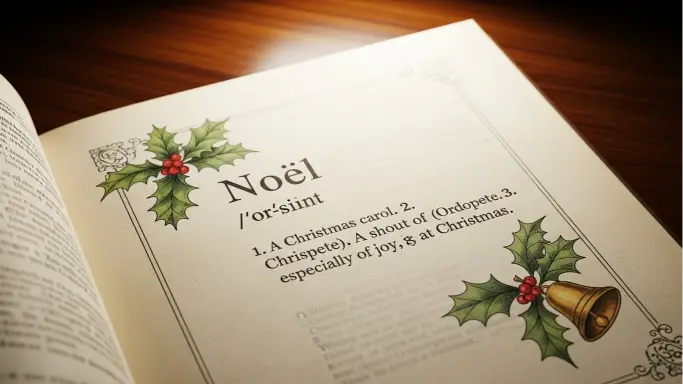
Have you ever noticed the word “Noel” on Christmas cards, in songs, or even as a person’s name, and wondered what it really means?
If so, you’re not alone. While it’s often associated with holiday cheer, its origins and significance go much deeper than festive decorations.
The word “Noel” comes from the French language, tracing back to the Latin word natalis, which means “birth.”
Traditionally, it has been used to celebrate the birth of Christ, giving it strong ties to Christmas and religious traditions.
Beyond its historical and cultural roots, Noel has also become a popular first name for such as kids, symbolizing joy, new beginnings, and the spirit of the holiday season.
In this article, we’ll uncover the true meaning of Noel, explore its origins, understand its cultural importance, and even look at its modern usage as a name.
The Meaning of Noel
At its core, the word Noel simply means Christmas. It is most commonly used to refer to the Christmas season or the celebration surrounding it.
When people say or write “Noel,” they are often expressing joy, goodwill, and festive cheer connected to Christmas traditions.
Today, the word appears frequently on holiday cards, decorations, songs, and seasonal greetings, making it instantly recognizable around the world.
The meaning of Noel becomes clearer when we look at its linguistic roots. The word comes from the French term “Noël,” which itself is derived from the Latin word “natalis,” meaning “birth.”
In a religious context, this refers specifically to the birth of Jesus Christ, which is why Noel has long been associated with Christian celebrations of Christmas.
Historically, people would shout or sing “Noel!” as an expression of happiness and celebration during Christmas festivities.
Over time, the meaning of Noel has expanded beyond strictly religious use. While it still holds spiritual significance for many, it is now widely used in both religious and secular contexts.
Whether displayed on a shop window, sung in a carol, or written on a gift tag, Noel represents warmth, joy, and togetherness during the holiday season.
In modern usage, Noel has also taken on symbolic meaning. It often represents hope, renewal, and celebration, which explains why it remains popular not only as a festive word but also as a meaningful personal name.
Noel in Culture and Tradition
The word Noel holds a strong place in cultural and holiday traditions, especially during the Christmas season.
One of the most recognizable ways people encounter Noel is through Christmas carols and songs.
The famous carol “The First Noel” tells the story of the birth of Jesus and has been sung for centuries, helping preserve the word’s meaning across generations.
Through music, Noel became a joyful proclamation rather than just a definition, symbolizing celebration and hope.
Beyond music, Noel appears widely in holiday decorations and greetings. From greeting cards and ornaments to storefront displays and home décor, the word is often used to instantly convey festive spirit.
Seeing “Noel” printed in bright lights or elegant lettering signals warmth, togetherness, and the joy of the holiday season.
In religious traditions, Noel has deep Christian significance. It represents the announcement and celebration of Christ’s birth, often associated with midnight mass and Christmas Eve services.
Historically, communities would gather to sing or shout “Noel” as a joyful response to the news of the Nativity.
Over time, the word has moved beyond purely religious settings. Today, Noel is embraced in secular celebrations as well, making it a universal symbol of Christmas cheer.
Whether used in a spiritual context or simply as a festive expression, Noel continues to connect people through shared traditions, joy, and celebration during the most meaningful time of the year.
Noel as a Name: Origin, Meaning, and Popularity
In addition to being a festive word, Noel is also a widely used personal name with meaningful origins.
As a name, Noel traditionally means “born at Christmas” or “of the Christmas season.” It originated in France, where it was often given to children born during or near Christmas Day.
Over time, the name spread to English-speaking countries and gained popularity worldwide.
Noel is commonly used as a boy’s name, but it has also been adopted as a gender-neutral or feminine name in some cultures.
Female variations such as Noelle, Noelia, and Noëlene are especially popular, each carrying the same festive and joyful meaning.
These variations allow families to preserve the traditional meaning while adapting the name to different languages and preferences.
The popularity of the name Noel has remained steady over the years, particularly in regions influenced by Christian traditions.
Many parents are drawn to the name because of its positive symbolism, representing joy, hope, celebration, and new beginnings.
It also carries a timeless quality, making it suitable for both modern and traditional naming styles.
Several famous people named Noel have helped keep the name recognizable in popular culture, including musicians, writers, and public figures.
Whether chosen for religious reasons or simply for its warm and cheerful sound, Noel continues to be a meaningful and beloved name across generations.
Fun Facts About Noel
The word Noel has an interesting history filled with cultural, linguistic, and festive surprises.
One fun fact is that while Noel is strongly linked to Christmas in English-speaking countries, it originally functioned as a joyful exclamation in medieval France.
People would shout “Noel!” to celebrate good news, especially the announcement of Christ’s birth.
Another fascinating detail is how widely Noel appears across different languages and cultures.
Although the spelling may change, many countries have their own version of the word for Christmas. For example, Italian uses “Natale,” Spanish uses “Navidad,” and Portuguese uses “Natal.”
All of these words share the same Latin root, natalis, reinforcing Noel’s connection to birth and new beginnings.
Noel has also found a place in modern pop culture. It appears in movie titles, song lyrics, brand names, and holiday marketing campaigns.
Businesses often use the word because it instantly creates a festive and emotional connection with audiences during the holiday season.
As a name, Noel carries a unique charm because it can feel both traditional and modern at the same time.
It works well across different cultures and is easy to pronounce in many languages.
Another fun fact is that the feminine form Noelle often sees a rise in popularity during the winter months, especially in December.
From joyful chants in medieval villages to stylish holiday décor today, Noel has remained a timeless symbol of celebration, warmth, and festive spirit throughout history.
How to Use Noel Correctly
Using the word Noel correctly is simple once you understand its meaning and context.
Most commonly, Noel is used as a seasonal word associated with Christmas.
You’ll often see it in holiday greetings such as “Merry Christmas and Happy Noel” or written on greeting cards, gift tags, and festive decorations.
In these cases, Noel functions as a cheerful symbol of the Christmas season rather than as part of a formal sentence.
When writing, it’s important to note that Noel is typically capitalized, especially when used as a proper noun or festive expression.
For example, “Noel fills the air during the holidays” is more appropriate than using lowercase letters.
In song titles, book names, and decorative text, capitalization helps preserve its traditional and celebratory tone.
Noel can also be used as a personal name, and in this case, it should always be capitalized.
When referring to someone named Noel, it follows the same grammar rules as any other proper name.
For example, “Noel was born in December” is a correct and natural usage.
Another common question involves pronunciation. In English, Noel is often pronounced as “NO-ell” or “no-EL,” while in French, it sounds closer to “no-ELLE.” Both pronunciations are widely accepted depending on regional and cultural preferences.
Whether you’re writing a holiday message, choosing a baby name, or using the word in creative content, understanding how to use Noel correctly ensures clarity and adds a warm, festive touch to your words.
Frequently Asked Questions About Noel
What does Noel literally mean?
Literally, Noel means “birth”, coming from the Latin word natalis. Over time, it became closely associated with the birth of Jesus Christ, which is why Noel is now commonly understood to mean Christmas or the Christmas season.
Is Noel a religious word?
Originally, yes. Noel has strong Christian roots and was traditionally used to celebrate the Nativity. However, today it is widely used in both religious and secular contexts, especially in holiday greetings, decorations, and songs.
Is Noel a boy’s or girl’s name?
Noel is most commonly used as a boy’s name, but it is also considered unisex in many cultures. Feminine variations such as Noelle and Noelia are especially popular and carry the same festive meaning.
How do you pronounce Noel?
In English, Noel is usually pronounced “NO-ell” or “no-EL.” In French, the pronunciation sounds closer to “no-ELLE.” Both pronunciations are correct depending on language and region.
Is Noel only used at Christmas?
While Noel is most popular during Christmas, it is not limited to the holiday season. As a name, it is used year-round, and as a word, it may appear in literature, music, or branding beyond December.
What is the difference between Noel and Noelle?
Noel is the original form and is often masculine or gender-neutral. Noelle is the feminine version, commonly used as a girl’s name, but both share the same meaning and origin.
Conclusion:
So, what does Noel really mean today?
While its roots trace back to the Latin word natalis, meaning “birth,” Noel has grown into much more than a historical or religious term.
It represents Christmas, joy, celebration, and togetherness, making it one of the most recognizable words of the holiday season.
From ancient traditions and Christian worship to modern décor, music, and greetings, Noel has maintained its charm across centuries.
Beyond its festive usage, Noel has also become a meaningful personal name, symbolizing hope, warmth, and new beginnings.
Its timeless appeal, cultural flexibility, and positive symbolism explain why parents continue to choose it for their children and why it appears so prominently during the holidays.
If spelled Noel or adapted into variations like Noelle, the meaning remains deeply connected to celebration and renewal.
In everyday life, Noel serves as a reminder of the spirit of Christmas kindness, joy, and shared moments with loved ones.
If you see it in a classic carol, on a greeting card, or hear it spoken as someone’s name, the word carries a sense of warmth that transcends language and culture.
Understanding the meaning of Noel allows you to use it more thoughtfully and appreciate its rich history.
No matter how you encounter it, Noel continues to spread happiness and festive cheer, making it a word that truly stands the test of time.

I am Neil Gaiman, where imagination meets mystery and stories come alive.
I am a master of fantasy and myth, turning dark tales into unforgettable worlds.
I am proudly featured on Jokestide.com, a place where creativity and storytelling never sleep.