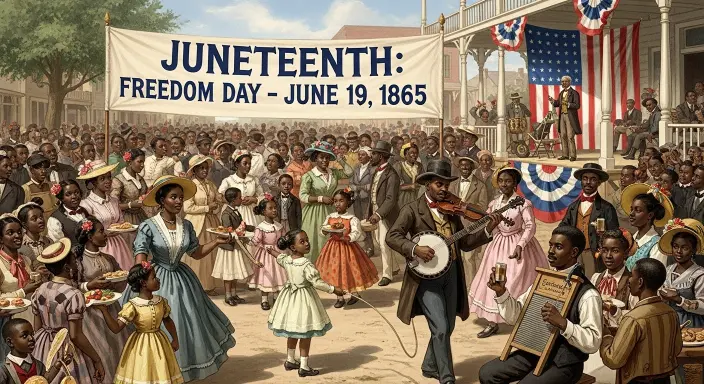
Juneteenth is a powerful and deeply meaningful holiday in American history, yet many people still wonder, “What does Juneteenth celebrate?”
Often called Freedom Day or Emancipation Day, Juneteenth marks the day when enslaved African Americans in Texas finally learned of their freedom on June 19, 1865 more than two years after the Emancipation Proclamation was signed.
This historic moment represents not just the end of slavery in the United States, but also the resilience, strength, and enduring spirit of the African American community.
Today, Juneteenth is celebrated across the country with parades, festivals, music, storytelling, and educational events that honor Black history and culture.
Understanding what Juneteenth commemorates helps us reflect on the struggles for equality, the victories of freedom, and the ongoing journey toward justice.
If through history lessons, cultural celebrations, or personal reflection, Juneteenth remains a reminder of hope, liberation, and the power of community.
What is Juneteenth?
Juneteenth is an important holiday that commemorates the end of slavery in the United States, specifically marking June 19, 1865, when Union troops arrived in Galveston, Texas, and informed enslaved African Americans that they were free.
This announcement came more than two years after President Abraham Lincoln issued the Emancipation Proclamation on January 1, 1863, which legally freed enslaved people in Confederate states.
Because Texas was one of the most remote Confederate states, the news of emancipation arrived late, making June 19 a historic date for freedom.
Also known as Freedom Day or Emancipation Day, Juneteenth has deep cultural and historical significance. It represents not only liberation from slavery but also the resilience and perseverance of African Americans who endured centuries of oppression.
Over time, Juneteenth celebrations spread beyond Texas, becoming a symbol of African American pride, culture, and achievement. Today, it is observed with community gatherings, educational events, storytelling, music, and traditional foods, helping people honor the struggles and accomplishments of African Americans throughout U.S. history.
In 2021, Juneteenth was officially recognized as a federal holiday, highlighting its importance in American society.
By understanding what Juneteenth is, we gain insight into the experiences of enslaved African Americans and the long fight for freedom and equality that continues to inspire generations today.
Historical Background
To fully understand Juneteenth, it’s important to look at the historical context of slavery in the United States.
For over two centuries, millions of African Americans were enslaved, forced to work under harsh conditions without freedom or basic rights.
Slavery was deeply embedded in the economic and social structures of the southern United States, and the struggle for liberation was long and painful.
In an effort to end slavery, President Abraham Lincoln issued the Emancipation Proclamation on January 1, 1863, declaring all enslaved people in Confederate states to be free.
However, the reality on the ground was different. Many enslaved individuals, particularly in remote regions like Texas, did not immediately gain knowledge of their freedom.
Communication was slow, and Confederate resistance meant that enforcement of emancipation was delayed.
It wasn’t until June 19, 1865, that Union General Gordon Granger arrived in Galveston, Texas, and read General Order No. 3, officially announcing the freedom of all enslaved people in the state.
This moment was historic, marking the end of slavery in one of the last Confederate holdouts. Juneteenth thus symbolizes both the triumph of liberation and the long delay in achieving justice for African Americans.
The announcement sparked celebration, relief, and hope among formerly enslaved communities.
They organized gatherings, feasts, and cultural events to honor their newfound freedom, laying the foundation for the annual Juneteenth celebrations that continue to this day.
How Juneteenth Has Been Celebrated Historically
After the announcement of freedom on June 19, 1865, formerly enslaved African Americans began celebrating Juneteenth as a way to honor their liberation and preserve their culture.
The earliest celebrations took place in Texas communities and were often organized by Black churches, community groups, and families. These gatherings were a mix of spiritual reflection, music, and storytelling, allowing people to share their experiences and pass down the history of emancipation.
Traditional foods played a key role in these early celebrations. Families prepared barbecue, red drinks, and other dishes that became symbolic of the holiday, connecting people through shared meals and cultural heritage.
Music and dance were also central, with spirituals and folk songs providing both comfort and a sense of unity.
Over time, storytelling became a crucial aspect, as elders recounted the struggles and triumphs of their ancestors, ensuring that younger generations remembered the significance of freedom.
As African Americans migrated from Texas to other states, Juneteenth celebrations spread across the country.
Each community added its own traditions, but the core message remained the same: honoring freedom, resilience, and community.
Even during times of social and political challenges, these celebrations continued, reinforcing a sense of identity and pride.
By the early 20th century, Juneteenth had evolved into a more organized cultural event, often including parades, educational activities, and public ceremonies, laying the foundation for the modern celebrations we see today.
The historical observances remind us that Juneteenth is not just a holiday, but a symbol of perseverance and the enduring human spirit.
Modern-Day Celebrations
Today, Juneteenth is celebrated across the United States with a mix of cultural, educational, and festive activities that honor African American history and achievements.
Communities organize parades, festivals, concerts, and public gatherings, often featuring music, dance, and traditional foods that trace back to the holiday’s historical roots.
These events provide an opportunity for people of all backgrounds to come together and reflect on the importance of freedom and equality.
Education is a key part of modern Juneteenth celebrations. Schools, museums, and organizations host lectures, workshops, and storytelling sessions that teach the history of slavery, emancipation, and the civil rights movement.
By doing so, Juneteenth becomes not only a celebration but also a chance to raise awareness about racial justice and the ongoing journey toward equality in America.
Food continues to be an important element, with traditional dishes such as barbecue, red velvet cake, and red drinks featured prominently at gatherings.
Music, from gospel and jazz to contemporary R&B and hip-hop, plays a central role in creating a festive and reflective atmosphere.
Since Juneteenth became a federal holiday in 2021, its recognition has expanded, and celebrations now often include official ceremonies, corporate events, and community initiatives nationwide.
The holiday serves as a reminder of the enduring spirit of African Americans and the significance of freedom.
Modern-day Juneteenth is not only about honoring the past it’s a celebration of culture, resilience, and the ongoing pursuit of justice and equality.
Significance and Symbolism
Juneteenth is much more than a historical commemoration; it carries profound significance and symbolism that resonates to this day.
At its core, the holiday represents freedom and liberation the moment when formerly enslaved African Americans in Texas finally learned they were free.
This milestone is a powerful reminder of the resilience, courage, and determination of those who endured centuries of oppression.
Beyond the literal meaning of emancipation, Juneteenth symbolizes hope, justice, and progress.
It celebrates the triumph of the human spirit in the face of adversity and highlights the ongoing journey toward equality in America.
For many, the holiday is also a time of reflection, recognizing both the struggles of the past and the achievements of African Americans in shaping the nation’s cultural, political, and social landscape.
Juneteenth serves as a cultural touchstone for African American communities, preserving traditions, stories, and customs passed down through generations.
From music and dance to food and storytelling, every element of Juneteenth celebrations carries layers of historical and cultural meaning.
In a broader context, the holiday encourages society as a whole to confront the legacy of slavery and racial injustice.
It invites people to engage in dialogue, education, and community-building, fostering understanding and empathy. Ultimately, Juneteenth is a symbol of resilience and unity, reminding us that freedom is not just a historical event but a continual commitment to justice, equality, and human dignity for all.
Juneteenth in Popular Culture and Media
Juneteenth has increasingly become a part of popular culture and media, helping to raise awareness of its historical significance and contemporary relevance.
Movies, documentaries, and television programs have highlighted the struggles and triumphs of African Americans, often featuring Juneteenth as a backdrop or central theme.
Films such as Selma and The Birth of a Nation explore the broader history of emancipation and civil rights, while documentaries specifically about Juneteenth educate audiences on the holiday’s origins and cultural importance.
Music also plays a major role in Juneteenth’s presence in popular culture. African American artists across genres from gospel and jazz to hip-hop and R&B often create songs that celebrate freedom, resilience, and African American heritage.
During Juneteenth celebrations, these songs serve both as entertainment and as a means of connecting communities with their history.
Social media has amplified Juneteenth’s visibility, with hashtags like #Juneteenth, #FreedomDay, and #EmancipationDay trending every June 19.
Platforms like Instagram, Twitter, and TikTok allow individuals and organizations to share educational content, personal reflections, and celebrations, making Juneteenth more accessible to a global audience.
Books, literature, and artwork also highlight Juneteenth, often focusing on storytelling, cultural expression, and the legacy of African American history.
By appearing in media, art, and popular culture, Juneteenth continues to educate, inspire, and engage new generations, ensuring that the meaning and significance of the holiday remain alive and relevant.
Juneteenth as a National Holiday
Juneteenth gained national recognition as a federal holiday in 2021, when the United States Congress passed legislation officially establishing June 19 as Juneteenth National Independence Day.
This historic decision highlighted the importance of acknowledging African American history and honoring the struggles and achievements of those who fought for freedom.
Federal recognition ensures that the holiday is officially observed across the country, providing an opportunity for education, reflection, and celebration.
Before federal recognition, many states had already recognized Juneteenth as a state holiday, though observances varied widely.
Some states offered paid time off for employees, while others promoted educational programs or public ceremonies.
Federal recognition not only standardized observances but also elevated the holiday’s visibility, encouraging broader participation and awareness nationwide.
The national holiday serves as a symbol of progress, reflecting the ongoing commitment to racial equality and social justice.
Government offices, schools, and organizations now incorporate Juneteenth programming, including lectures, historical exhibits, and community events, helping people understand its historical and cultural significance.
Beyond formal recognition, Juneteenth as a national holiday also encourages companies, institutions, and communities to actively engage in cultural celebrations. It is a reminder that freedom and equality are not just historical concepts they are ongoing commitments.
By making Juneteenth a federal holiday, the United States acknowledges the importance of confronting its history and celebrating the resilience, contributions, and enduring spirit of African Americans.
How Individuals Can Celebrate or Acknowledge Juneteenth
Juneteenth offers everyone an opportunity to honor freedom, reflect on history, and celebrate African American culture. Whether attending public events or observing privately, there are many meaningful ways to participate in the holiday.
One popular way is to attend community celebrations, such as parades, festivals, and concerts. These gatherings often feature music, food, storytelling, and educational activities, creating a space for learning and connection.
Participating in these events helps support local communities and keeps the history and traditions of Juneteenth alive.
Education is another important way to acknowledge Juneteenth. Individuals can read books, watch documentaries, or attend lectures that explore the history of slavery, emancipation, and civil rights.
Food traditions also play a key role in celebrating Juneteenth. Preparing or sharing traditional dishes such as barbecue, red drinks, and red desserts can be a fun and symbolic way to connect with the holiday’s heritage.
Finally, individuals can celebrate by supporting Black-owned businesses and organizations, donating to causes that promote racial equality, or engaging in conversations about social justice.
Even small actions, like sharing educational content on social media, can help raise awareness.
By participating in Juneteenth thoughtfully, individuals honor the legacy of freedom, contribute to cultural preservation, and reinforce the ongoing importance of equality and justice in society.
Common Misconceptions About Juneteenth
Despite its growing recognition, several misconceptions about Juneteenth persist. One common misunderstanding is that Juneteenth is the same as the Emancipation Proclamation.
While the Emancipation Proclamation, issued in 1863, legally declared enslaved people in Confederate states free, it was not immediately enforced in all areas.
In Texas, for example, many enslaved people did not learn about their freedom until June 19, 1865, making Juneteenth the actual celebration of liberation in practice.
Another misconception is that Juneteenth is only a Texas holiday. While the holiday originated in Texas, it quickly spread to African American communities across the United States as people migrated.
Today, Juneteenth is recognized and celebrated nationwide, and it became a federal holiday in 2021, reflecting its importance to the entire country.
Some people mistakenly view Juneteenth as a celebration only for African Americans.
While it is rooted in African American history and culture, the holiday is an opportunity for everyone to learn about history, reflect on freedom, and support racial equality.
Celebrating or acknowledging Juneteenth can foster understanding, empathy, and community solidarity.
Finally, some assume Juneteenth is purely festive, focusing only on food and entertainment.
Clearing up these misconceptions helps people fully appreciate the true meaning of Juneteenth, ensuring it is celebrated with respect, awareness, and historical accuracy.
FAQs:
Many people have questions about Juneteenth, and understanding the answers can deepen appreciation for this historic holiday.
1. Why is Juneteenth celebrated on June 19?
June 19, 1865, marks the day Union General Gordon Granger arrived in Galveston, Texas, and announced that enslaved people were free, more than two years after the Emancipation Proclamation.
2. Who started Juneteenth celebrations?
The first celebrations began in Texas in 1866, organized by African American communities to honor their freedom. Church groups and families played a major role in maintaining the tradition.
3. Is Juneteenth only for African Americans?
While it is rooted in African American history, Juneteenth is a holiday that encourages everyone to reflect on freedom, equality, and the ongoing fight for justice. People of all backgrounds can participate in its observance.
4. How is Juneteenth celebrated today?
Modern celebrations include parades, festivals, concerts, educational programs, and family gatherings. Traditional foods, music, and storytelling continue to play a central role in honoring the holiday’s heritage.
5. How did Juneteenth become a federal holiday?
After decades of state-level recognition, Congress officially passed legislation in 2021, establishing Juneteenth as a national holiday, highlighting its cultural and historical significance across the United States.
By answering these common questions, we gain a clearer understanding of Juneteenth’s meaning, history, and importance, helping ensure that its legacy is respected, remembered, and celebrated.
Conclusion:
Juneteenth is a deeply meaningful holiday that celebrates freedom, resilience, and the enduring spirit of African Americans.
It commemorates June 19, 1865, when formerly enslaved people in Texas finally learned they were free, marking a pivotal moment in U.S. history.
More than just a day of celebration, Juneteenth serves as a reminder of the long struggle for emancipation and the ongoing pursuit of equality and justice.
The holiday holds both historical and cultural significance. From its early celebrations in Texas to the modern-day festivals, parades, educational events, and social media campaigns, Juneteenth connects communities, preserves traditions, and teaches important lessons about the legacy of slavery and the importance of freedom.
By understanding its history and symbolism, we gain a deeper appreciation for the resilience and achievements of African Americans, while also recognizing the work that remains in building a more just society.
Today, Juneteenth is recognized as a federal holiday, celebrated nationwide, and observed through music, storytelling, food, and community events.
It encourages everyone not just African Americans to reflect on the value of freedom, honor the struggles of the past, and participate in building a more equitable future.
By learning about Juneteenth, attending celebrations, supporting Black-owned businesses, and engaging in conversations about history and justice, individuals can actively honor the holiday.
Ultimately, Juneteenth is a celebration of liberation, culture, and hope, reminding us all that freedom is a right worth protecting and a story worth remembering.

I am Zadie Smith, the mind behind witty words and viral laughs on Jokestide.com.
I am here to turn everyday moments into clever jokes, puns, and share-worthy humor.
I am all about fresh, trending fun that makes you smile, scroll, and come back for more.