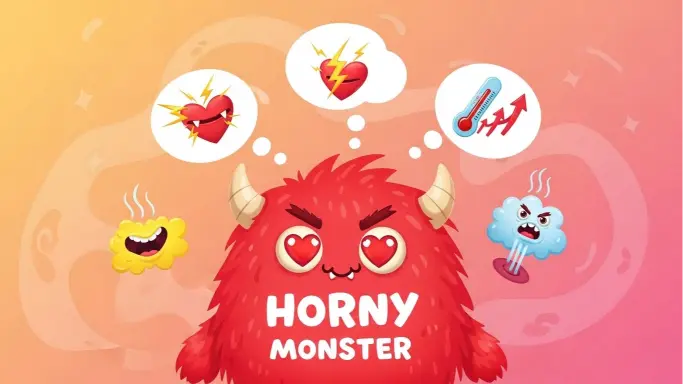
You’ve probably seen the word “horny” pop up in texts, social media posts, or even casual conversations but what does it really mean?
At first glance, it might seem like just slang, but it actually refers to a very common human feeling: sexual arousal or desire.
Understanding this term is useful not only for keeping up with modern language but also for interpreting jokes, memes, and playful banter accurately.
People use it in many contexts sometimes seriously, sometimes humorously and knowing the meaning can help you avoid awkward situations or miscommunication.
In this article, we’ll break down what “horny” truly means, explore its origins, explain how it’s used in daily life, and even touch on the signs of feeling horny.
By the end, you’ll have a clear understanding of the term, how it’s applied, and how to recognize it in different conversations.
Definition of Horny
So, what does “horny” actually mean? At its core, the word describes a state of sexual arousal or a strong desire for sexual activity.
It’s a completely natural feeling that everyone experiences at some point, though how it’s expressed can vary from person to person.
In formal or medical contexts, terms like “aroused” or “libido” are often used instead, but horny has become the go-to slang term in everyday conversation.
In casual language, people often use horny not just to describe themselves but also jokingly or playfully toward others.
For example, someone might text a friend saying, “I’m feeling horny,” or share a meme exaggerating the feeling.
The meaning doesn’t always carry serious sexual intent it can be humorous, flirtatious, or even dramatic depending on the context.
Interestingly, horny is different from simply being attracted to someone.
Attraction might involve emotional or romantic feelings, whereas being horny focuses primarily on physical desire.
Understanding this distinction can help you interpret conversations more accurately, especially online where tone is harder to read.
By knowing both the literal and slang meanings of horny, you’ll be better equipped to understand texts, jokes, and memes and respond appropriately without confusion or embarrassment.
Origins and History of Horny
The word “horny” has an interesting history that goes beyond modern slang.
Its origins trace back to the 14th and 15th centuries, where “horny” was often used literally to describe something covered in horns or resembling a horn.
Over time, the term evolved into figurative language, symbolizing desire or lust, likely because horns were historically associated with virility in animals.
By the 17th century, English speakers were beginning to use horny in a sexual context, though it was still considered somewhat crude.
Literature from that era sometimes references horniness indirectly, showing that humans have long had ways of expressing sexual desire through language.
In modern times, horny exploded in popularity with the rise of slang and pop culture.
Movies, television, and especially the internet have amplified its use, turning it into a common term in texting, memes, and social media posts.
Today, it’s recognized globally as casual slang for sexual arousal, though its meaning can shift depending on context, humor, or exaggeration.
Interestingly, the internet era has also blurred lines between serious and playful usage.
Memes, GIFs, and viral jokes often use horny humorously, which is why context is essential when interpreting the word.
Knowing its origins and evolution helps us understand why it’s such a versatile and widely used term in everyday conversation.
Signs and Examples of Being Horny
Being horny is a natural human experience, but it can show up in both physical and behavioral ways.
Physically, signs might include an increased heart rate, feeling flushed, or other bodily reactions related to arousal.
In people assigned male at birth, this can include erections, while for people assigned female at birth, increased sensitivity or lubrication may occur.
However, physical signs alone aren’t always obvious, and sexual desire can also exist purely as a mental or emotional feeling.
Behavioral signs can be more subtle. Someone might act more flirtatious, make suggestive jokes, or show increased interest in intimacy with a partner.
Online, people often use the word horny in texts, social media posts, or memes, sometimes exaggerating for humor.
For instance, a meme saying “Me at 2 AM: horny” is more playful than literal.
It’s also important to understand context. Feeling horny doesn’t always mean someone wants sexual activity immediately it might just reflect an underlying desire or attraction.
The term can also appear in joking or teasing conversations, especially among friends.
By recognizing both physical and behavioral signs, and understanding the casual or humorous ways people use the word, you can better interpret conversations and social media posts.
Knowing these signs also helps in expressing your own feelings respectfully and recognizing others’ boundaries, keeping communication clear and comfortable.
Usage in Different Contexts
The word “horny” is versatile and can appear in a variety of contexts, from casual conversations to social media, and even in adult settings.
Understanding the context is essential to interpret its meaning accurately.
Casual Conversation: Among friends, horny is often used jokingly or playfully.
For example, someone might exaggerate their feelings for humor: “I’m so horny for pizza right now!” In this case, it’s clearly a lighthearted exaggeration rather than a literal sexual meaning.
Online and Social Media: The internet has amplified the playful side of horny. Memes, GIFs, and tweets often exaggerate sexual desire for comedic effect.
In texting, people might use it to flirt or tease, and context like emojis or tone helps convey whether it’s serious or humorous.
Adult and Romantic Contexts: In relationships or adult conversations, horny typically refers to genuine sexual arousal. It can serve as a way for partners to express desire, flirt, or initiate intimacy.
Here, the meaning is straightforward but should still be communicated respectfully.
Cultural and Age Differences: The interpretation of horny can vary depending on age and culture.
Younger generations may use it more casually, while in some cultures it might be considered inappropriate in public discussions.
Overall, knowing the different contexts allows you to understand whether the term is playful, flirtatious, or literal.
Recognizing context not only prevents misunderstandings but also helps you communicate confidently, whether online or in person.
Common Misunderstandings
Despite its widespread use, the word “horny” is often misunderstood, which can lead to awkward situations or miscommunication. One common mistake is taking the word too literally.
While horny does mean sexual arousal, in casual conversations or memes, people often use it jokingly or exaggeratively.
For instance, a person texting, “I’m horny for ice cream,” is clearly using humor, not expressing sexual desire. Recognizing these playful uses is key to avoiding confusion.
Another misunderstanding is mixing up sexual desire with attraction or romantic interest. Being horny focuses primarily on physical desire, while attraction can involve emotional, romantic, or long-term feelings.
Someone might feel horny without necessarily being romantically interested in a person, which is why context matters.
Misinterpretation is also common in online communication. Texts, emojis, and memes can easily blur tone, making it hard to tell if someone is flirting, joking, or serious.
This is why reading cues carefully and not assuming intent is important.
Finally, some people mistakenly believe feeling horny is “abnormal” or shameful. In reality, it’s a natural human experience, and understanding it helps promote healthier communication and self-awareness.
By being aware of these common misunderstandings, you can interpret conversations more accurately, respond appropriately, and maintain respectful interactions whether online or in person.
Clear understanding prevents embarrassment and ensures the word is used correctly in any situation.
How to Talk About It Respectfully
Talking about being horny can feel awkward, but it’s possible to do so respectfully and appropriately.
The key is understanding context, consent, and audience. Not everyone is comfortable discussing sexual feelings, so it’s important to gauge the situation before bringing it up.
In Relationships: If you’re speaking to a partner, being open about your sexual desire can strengthen intimacy.
Using clear, honest language while respecting boundaries helps prevent misunderstandings.
For example, saying, “I’m feeling horny and would like to be intimate” is straightforward and respectful.
Avoid pressuring anyone or assuming they share your desire.
With Friends or Online: Among friends or on social media, humor and exaggeration are common ways to use the word.
Memes, jokes, and playful comments about being horny are often meant for laughs rather than serious expression.
Even in these contexts, it’s important not to cross boundaries or make someone uncomfortable.
General Tips:
- Always consider your audience and setting.
- Avoid using explicit language in public or professional spaces.
- Respect others’ reactions and consent.
- Remember that being horny is normal, but not everyone wants to discuss it.
By talking about sexual desire in a thoughtful and respectful way, you can communicate clearly, reduce awkwardness, and ensure everyone feels comfortable.
Understanding social cues and using appropriate language allows you to discuss the topic naturally, whether in private, in a relationship, or online.
Fun Facts and Trivia About Horny
The word “horny” isn’t just a slang term it has a few interesting and sometimes surprising aspects that make it fun to explore.
For starters, did you know that its literal meaning originally referred to horns or horn-like objects?
Over centuries, it evolved into a term associated with sexual desire, showing how language can shift dramatically over time.
In pop culture, horny is everywhere. Movies, TV shows, and music often use the term for comedic or dramatic effect.
For instance, classic sitcoms and teen films frequently include playful references to characters being horny, making it a common part of humor in entertainment.
The internet has taken the fun a step further. Memes, GIFs, and viral posts exaggerate the concept in humorous ways.
From cats “feeling horny” for treats to jokes about late-night cravings, these playful uses highlight how versatile the word has become.
Interestingly, horny has also inspired other slang expressions. Phrases like “feeling frisky” or “turned on” are often used interchangeably, though each carries slightly different connotations.
This variety shows how language adapts to context, humor, and audience.
Lastly, the term isn’t just for people! In casual speech, people sometimes jokingly say pets or animals are “horny,” exaggerating behaviors like playful excitement or mating instincts for comedic effect.
These fun facts show that horny is more than just a sexual term it’s part of culture, humor, and everyday language. Understanding its playful side makes conversations lighter and more entertaining.
FAQs
When it comes to understanding the word “horny”, people often have a lot of questions. Here are some of the most common ones:
1. What does horny mean in texting?
In texting, horny usually indicates sexual desire, but it can also be playful or joking. Emojis, tone, and context help determine if it’s serious or humorous.
2. Is horny the same as aroused?
Yes and no. Both describe sexual desire, but aroused is more formal and clinical, while horny is casual, slang, and often playful.
3. Can someone be horny without sexual intent?
Absolutely. Sometimes people exaggerate the feeling for humor or social media posts. Context matters in understanding whether it’s literal or joking.
4. What are signs someone is horny?
Physical signs include increased heart rate or sensitivity, while behavioral signs can include flirting, teasing, or joking. Online, memes and texts may exaggerate these signs.
5. How do I talk about being horny appropriately?
Respect context, consent, and audience. In relationships, honesty is best. With friends or online, humor is common but avoid making others uncomfortable.
6. Is feeling horny normal?
Yes. It’s a natural human experience and nothing to be ashamed of. Understanding it promotes better communication, self-awareness, and healthy boundaries.
Including FAQs helps clarify misconceptions, improves SEO by capturing search intent, and makes your article more helpful and shareable.
Conclusion
Understanding what “horny” means is more than just knowing a slang term it’s about understanding a natural human experience and how people express it in everyday life.
At its core, being horny refers to sexual desire or arousal, but its usage can vary widely depending on context.
In casual conversations, texts, or memes, it’s often playful or exaggerated, while in adult or romantic settings, it can be a direct expression of physical desire.
Recognizing the different contexts is key. Humor, flirtation, and serious expression all influence how the term is perceived.
By understanding these nuances, you can interpret messages more accurately, respond appropriately, and avoid awkward or embarrassing situations.
Knowing the signs of being horny both physical and behavioral also helps in navigating personal relationships and social interactions.
It’s equally important to communicate about sexual feelings respectfully and responsibly.
Using clear language, respecting boundaries, and being mindful of context ensures that conversations about horniness remain comfortable for everyone involved.
Finally, exploring the history, fun facts, and pop culture usage of the word adds depth to our understanding and shows how language evolves over time.
Memes, jokes, and playful exaggerations demonstrate how versatile the term has become in modern communication.
By learning about horny, you gain not only a definition but also the tools to interpret, respond, and even laugh along with its many uses.
If you’re reading a meme, texting a friend, or talking to a partner, understanding the meaning and context ensures you’re informed, confident, and comfortable in any conversation.

I am Stephen King, a name that rules both horror legends and humor headlines on Jokestide.com.
I am here to twist words, spark laughs, and turn iconic fame into joke-worthy fun.
I am not the horror I’m the punchline that keeps readers hooked.