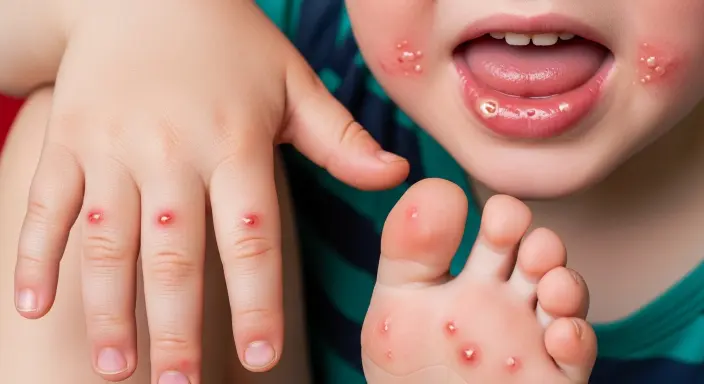
Hand, Foot, and Mouth Disease (HFMD) is a common viral infection that primarily affects young children, though adults can occasionally catch it too.
One of the first questions parents often ask is, “What does hand, foot, and mouth disease look like?”
Recognizing the visual signs early can make a big difference in providing proper care and preventing the infection from spreading.
HFMD usually begins with mild symptoms like fever, sore throat, and fatigue, followed by a characteristic rash that appears on the hands, feet, and inside the mouth.
These rashes can vary from small red spots to painful blisters, sometimes making children uncomfortable and fussy.
While HFMD is generally mild, understanding how the rash develops and what to watch for is crucial for timely care and reassurance.
In this guide, we’ll explore the visual appearance, stages, and symptoms of HFMD so you can confidently identify it.
Understanding Hand, Foot, and Mouth Disease
Hand, Foot, and Mouth Disease (HFMD) is a contagious viral infection caused mainly by the Coxsackievirus A16 and, less commonly, Enterovirus 71.
It primarily affects children under five years old, although older children and adults can occasionally contract the virus.
HFMD spreads through direct contact with saliva, nasal secretions, fluid from blisters, or fecal matter. Because of this, it can quickly spread in daycare centers, schools, and households.
The disease usually starts with mild flu-like symptoms, such as low-grade fever, fatigue, loss of appetite, sore throat, and general irritability.
Within a day or two, a distinctive rash begins to appear, often starting as small red spots or bumps.
These spots can develop into blisters or ulcers, especially in the mouth, on the hands, and on the feet.
HFMD is generally mild and self-limiting, meaning most children recover within 7–10 days without medical treatment.
However, in rare cases, complications such as dehydration, high fever, or viral meningitis can occur.
Understanding the causes, transmission, and typical course of HFMD is essential for parents and caregivers, as early recognition can help manage symptoms, prevent spreading the virus to others, and provide timely medical care when necessary.
Early Signs and Symptoms of Hand, Foot, and Mouth Disease
Before the characteristic rash appears, HFMD often begins with early warning signs that can help parents and caregivers identify the infection promptly.
One of the first symptoms is usually a mild fever, which can range from 100°F to 102°F (37.8°C to 38.9°C).
Along with fever, children may feel fatigued, irritable, and less interested in eating, sometimes refusing food or drink due to discomfort in the mouth.
A sore throat and painful swallowing are also common, making eating or drinking difficult. Some children may develop headaches, body aches, or a general feeling of malaise.
These early symptoms can appear 3–6 days after exposure to the virus, which is known as the incubation period.
During this stage, parents may notice small red spots or bumps starting to form, often on the hands, feet, or inside the mouth.
While subtle at first, these spots can develop into blisters or ulcers over the next day or two.
Early recognition of these signs is crucial because the disease is highly contagious, and children can spread the virus even before the rash fully develops.
Monitoring for these early symptoms allows caregivers to provide supportive care, encourage hydration, and reduce contact with others to prevent the infection from spreading.
Acting quickly can also make the child more comfortable and help manage symptoms effectively.
What the Rash Looks Like in Hand, Foot, and Mouth Disease
The most recognizable feature of HFMD is the rash that appears on the hands, feet, and inside the mouth.
This rash usually develops 1–2 days after the initial fever and early symptoms.
On the hands, you may notice small red spots or bumps that sometimes progress into tiny blisters.
These can appear on the palms, fingers, or around the nails, and may be slightly raised or tender to the touch.
On the feet, the rash often looks similar, starting as red spots that can become blister-like.
They are usually found on the soles, toes, and sometimes the heels. In some cases, the skin may peel slightly as the blisters heal.
Inside the mouth, the rash can be more uncomfortable. Children often develop painful red spots or ulcers on the tongue, gums, and inner cheeks. These mouth sores can make eating and drinking difficult, sometimes causing drooling or fussiness in young children.
In some cases, the rash may spread to the buttocks, genital area, or even the arms and legs, although this is less common.
The spots usually start small and flat, then evolve into blisters filled with clear fluid, which eventually dry up and heal without scarring.
Recognizing these visual cues is essential for early identification of HFMD, as the disease is highly contagious during this period.
Parents and caregivers should watch for clusters of red spots or blisters appearing in multiple areas simultaneously, especially when accompanied by fever or irritability.
Visual Comparison: HFMD vs Other Rashes
It’s important to differentiate Hand, Foot, and Mouth Disease (HFMD) from other common childhood rashes, as they can look similar but have different causes and treatments.
Chickenpox, for example, also causes blisters, but they typically start on the torso and face and spread outward, whereas HFMD blisters are concentrated on the hands, feet, and mouth.
Chickenpox blisters are often itchy, while HFMD blisters are usually painful, especially in the mouth.
Measles presents as flat, red spots that often begin on the face and behind the ears before spreading to the body.
Unlike HFMD, measles spots do not form blisters and are often accompanied by cough, runny nose, and red eyes.
Herpes simplex virus infections can cause painful clusters of blisters, usually localized around the mouth or genital area. Unlike HFMD, herpes rarely appears simultaneously on the hands and feet.
Allergic reactions or eczema can also cause red spots or bumps, but these rashes often itch rather than blister and are not associated with fever or mouth ulcers.
By observing rash location, type, and accompanying symptoms, parents can more accurately identify HFMD.
For example, blisters on hands and feet combined with mouth ulcers and mild fever are a strong indicator of HFMD.
Visual recognition is especially helpful because early detection allows for proper home care and reduces the risk of spreading the virus to others.
Duration and Recovery of Hand, Foot, and Mouth Disease
Hand, Foot, and Mouth Disease (HFMD) is generally a mild and self-limiting illness, meaning most children recover without medical intervention.
The entire course of the disease usually lasts about 7–10 days, though some cases may extend slightly longer depending on the child’s immune system and the severity of symptoms.
The illness typically begins with early symptoms such as fever, fatigue, and loss of appetite. Within a day or two, the characteristic rash and blisters appear on the hands, feet, and inside the mouth.
Mouth sores often cause discomfort while eating or drinking, but they generally heal within 7–10 days. Blisters on the hands and feet may dry up and form scabs that fall off naturally without leaving scars.
During the recovery period, children may experience mild peeling of the skin on the hands and feet. It is important to maintain hydration and comfort, as mouth sores can make eating difficult.
Over-the-counter pain relievers, such as acetaminophen or ibuprofen, can help reduce discomfort.
Most children return to normal activities within one to two weeks. Complications are rare, but dehydration, persistent high fever, or unusual spread of the rash should prompt a visit to a healthcare professional.
Understanding the typical timeline of HFMD helps parents monitor recovery, manage symptoms effectively, and know when medical attention is needed, ensuring a safe and smooth healing process.
Complications and Warning Signs of Hand, Foot, and Mouth Disease
While Hand, Foot, and Mouth Disease (HFMD) is usually mild and self-limiting, it’s important for parents and caregivers to recognize potential complications and warning signs.
Most children recover within 7–10 days without serious issues, but in rare cases, HFMD can lead to more severe problems.
One of the most common complications is dehydration, especially in young children. Mouth ulcers and sores can make eating and drinking painful, reducing fluid intake.
Signs of dehydration include dry lips, infrequent urination, lethargy, and dizziness. If dehydration occurs, medical attention is necessary to prevent further complications.
Although uncommon, HFMD caused by Enterovirus 71 may result in neurological complications, such as viral meningitis, encephalitis, or even acute flaccid paralysis.
Symptoms like persistent high fever, severe headache, neck stiffness, or unusual drowsiness should be treated as urgent and prompt immediate medical evaluation.
Other warning signs include rash spreading rapidly beyond the typical areas, severe pain, or blisters that appear infected (with pus or excessive redness).
Children with weakened immune systems, infants, or those with chronic health conditions are more susceptible to complications.
Early recognition of these warning signs allows parents to seek timely care, ensuring children recover safely.
While most HFMD cases resolve naturally, vigilance during the illness is key to preventing serious complications and keeping children comfortable throughout the infection.
Treatment and Home Care for Hand, Foot, and Mouth Disease
Hand, Foot, and Mouth Disease (HFMD) usually does not require prescription medication, as it is caused by a virus and most cases resolve on their own within 7–10 days.
Treatment primarily focuses on relieving symptoms and keeping the child comfortable while the body fights off the infection.
One of the most important aspects of care is maintaining hydration. Mouth sores can make eating and drinking painful, so offering soft foods, cool drinks, and ice pops can help children stay hydrated and reduce discomfort. Avoid acidic or spicy foods, which may irritate mouth ulcers.
Fever and pain relief can be managed with over-the-counter medications like acetaminophen or ibuprofen, following the recommended dosage for the child’s age and weight.
It’s important to avoid giving aspirin to children due to the risk of Reye’s syndrome.
Keeping the skin clean and dry is also essential. Blisters on the hands and feet should not be popped, as this can lead to infection.
Frequent handwashing and cleaning of toys and surfaces can help prevent spreading the virus to siblings or classmates.
Rest is another critical part of recovery. Children should be encouraged to sleep and take it easy while their immune system works.
In most cases, HFMD resolves without complications, but parents should monitor for warning signs such as dehydration, high fever, or rapidly spreading rash. Proper home care ensures comfort, reduces transmission, and supports a safe recovery.
Prevention and Hygiene Tips for Hand, Foot, and Mouth Disease
Preventing the spread of Hand, Foot, and Mouth Disease (HFMD) is just as important as managing symptoms, especially in daycare centers, schools, and households with young children.
HFMD is highly contagious, and the virus can spread through saliva, nasal secretions, fluid from blisters, and even fecal matter. Practicing good hygiene can significantly reduce the risk of infection.
Handwashing is the single most effective preventive measure. Children and caregivers should wash their hands thoroughly with soap and water, especially after using the bathroom, changing diapers, or before eating.
Alcohol-based hand sanitizers can be used when soap and water are not available, though washing with soap is preferable.
Cleaning and disinfecting surfaces that children frequently touch, such as toys, tables, doorknobs, and bathroom fixtures, can prevent the virus from lingering.
Laundry, bedding, and clothing should also be washed regularly, particularly if a child is infected.
Isolation of sick children is important to prevent outbreaks. Keep children home from daycare, school, or group activities until the fever has subsided and blisters have healed. Avoid sharing cups, utensils, or towels with others during this time.
Teaching children to cover their mouths when coughing or sneezing and encouraging minimal contact with other children can further reduce transmission.
While HFMD is generally mild, practicing good hygiene, cleaning routines, and limiting contact during infection helps protect siblings, classmates, and caregivers, ensuring the virus does not spread unnecessarily.
FAQs:
Parents often have many questions when their child develops Hand, Foot, and Mouth Disease (HFMD). Understanding common concerns can help manage the illness more effectively and reduce anxiety.
Can adults get HFMD?
Yes, although HFMD is most common in children under five, adults can contract the virus, especially if they have close contact with an infected child. Adult symptoms are usually milder but can still include fever, rash, and mouth sores.
How contagious is HFMD?
HFMD spreads easily through saliva, nasal secretions, fluid from blisters, and fecal matter. Children can be contagious even before the rash appears and remain so for several days after symptoms begin.
How can I tell HFMD from other rashes?
The key is location and type of rash. HFMD usually causes blisters on the hands, feet, and inside the mouth, whereas conditions like chickenpox start on the torso, measles appears as flat red spots, and allergies or eczema are usually itchy without mouth sores.
Are HFMD pictures safe for children?
Yes, showing mild images of HFMD can help older children understand why hygiene is important, but avoid graphic images of blisters in sensitive areas that may be distressing.
Can HFMD recur?
Yes, children can get HFMD more than once, particularly if they are infected by a different strain of the virus. Immunity is strain-specific and not lifelong.
Answering these FAQs helps caregivers identify HFMD early, manage symptoms properly, and take preventive steps to protect other children in the household or school environment. Awareness is key to minimizing discomfort and preventing the virus from spreading.
Conclusion:
Hand, Foot, and Mouth Disease (HFMD) is a common viral infection that primarily affects young children, but it can occasionally impact adults as well.
Recognizing the visual signs red spots, blisters on the hands and feet, and painful mouth ulcers is crucial for early identification and proper care.
While the disease is usually mild and self-limiting, understanding the progression, symptoms, and typical recovery timeline can help parents and caregivers manage the illness more confidently.
Early symptoms such as fever, fatigue, loss of appetite, and irritability often precede the rash.
The characteristic rash, which may appear on the hands, feet, and inside the mouth, can sometimes extend to other areas of the body.
Identifying these visual cues early allows for effective home care, including hydration, pain relief, and rest, while also preventing the virus from spreading to other children and family members.
Although complications are rare, parents should monitor for warning signs such as persistent high fever, dehydration, or unusual behavior, which require immediate medical attention.
Practicing good hygiene, disinfecting surfaces, and isolating sick children are essential steps to reduce contagion.
By staying informed about HFMD, caregivers can provide comfort, prevent transmission, and ensure children recover safely.
Understanding what HFMD looks like, its symptoms, and preventive measures equips parents with the knowledge to respond effectively and minimize both discomfort and the risk of spreading the infection.

I am Toni Morrison, the creative voice behind jokestide.com where humor meets trending jokes and puns.
I craft fresh, fun, and share-worthy content designed to make people smile instantly.
If you love viral laughs and clever wordplay, you’ve landed on the right joke tide.