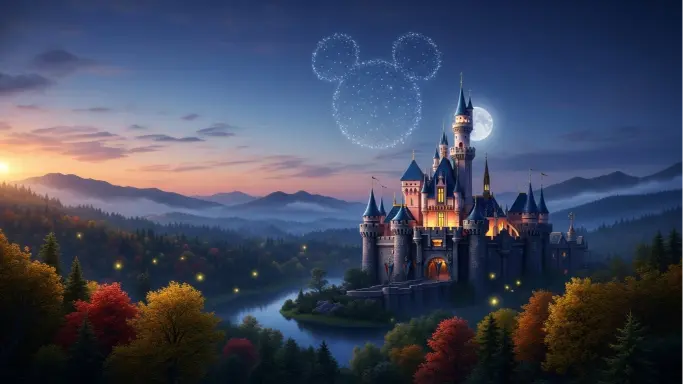
Disney isn’t just about Mickey Mouse, princesses, or theme parks, it’s a sprawling entertainment empire that touches nearly every corner of pop culture.
From blockbuster movies and hit TV shows to streaming platforms, sports networks, and even cruise lines, Disney’s reach is massive and often surprising.
But what exactly does Disney own, and how did it grow into one of the most powerful media companies in the world?
In this post, we’ll break down Disney’s holdings, covering everything from its major studios like Marvel, Pixar, and Lucasfilm, to TV networks like ABC and National Geographic, streaming services like Disney and Hulu, and its global theme parks and resorts.
If you’re a die-hard Disney fan or just curious about the entertainment industry, this guide will give you a complete picture of Disney’s media empire and show how this iconic company has shaped the way we watch, play, and enjoy stories today.
The Origins of Disney: From Animation to Empire
The story of Disney begins in 1923 when Walt Disney and his brother Roy founded the Disney Brothers Studio in Los Angeles.
What started as a small animation studio producing short films soon evolved into a cultural powerhouse, thanks to Walt’s vision and creativity.
The release of Steamboat Willie in 1928 introduced the world to Mickey Mouse, instantly making Disney a household name.
This success set the stage for the company’s first full-length animated feature, Snow White and the Seven Dwarfs in 1937, which revolutionized the animation industry and proved that animated films could captivate audiences worldwide.
Over the decades, Disney continued to innovate with films like Cinderella, The Lion King, and Frozen, cementing its reputation as a leader in family entertainment.
But Disney’s ambitions went far beyond movies. The company expanded into television with ABC, launched theme parks starting with Disneyland in 1955, and developed a global merchandising empire featuring toys, books, and apparel.
Strategic acquisitions became a major part of Disney’s growth strategy, allowing it to bring major brands like Pixar, Marvel, Lucasfilm, and 20th Century Studios under one roof.
Today, Disney is no longer just an animation studio it is a media and entertainment conglomerate that influences movies, TV, streaming, sports, music, and even travel experiences worldwide.
Understanding Disney’s origins helps explain how a small animation studio became a global empire, shaping the modern entertainment landscape and setting the stage for its expansive holdings.
Disney’s Film Studios and Movie Franchises
When people think of Disney, movies often come to mind first.
Over the years, Disney has built one of the largest and most diverse film empires in the world.
At its core is Walt Disney Pictures, known for classic animated films like The Little Mermaid, Beauty and the Beast, and Frozen, as well as live-action adaptations of beloved stories.
In 2006, Disney acquired Pixar, bringing iconic CGI films like Toy Story, Finding Nemo, and Inside Out into the Disney family.
This acquisition helped Disney dominate both traditional and modern animation, combining storytelling expertise with cutting-edge technology.
Disney didn’t stop there. The acquisition of Marvel Studios in 2009 gave the company control of the Marvel Cinematic Universe, one of the most successful and recognizable film franchises in history, featuring superheroes like Iron Man, Spider-Man, and Black Panther.
In 2012, Disney purchased Lucasfilm, the studio behind Star Wars and Indiana Jones, further expanding its roster of blockbuster franchises.
The 2019 acquisition of 21st Century Fox (now 20th Century Studios) added major franchises such as Avatar and The Simpsons, as well as a vast library of classic films.
Disney also owns Searchlight Pictures, focusing on indie and award-winning films, and previously owned studios like Blue Sky Studios, which produced the Ice Age series.
Today, Disney’s film portfolio spans animation, live-action, superhero blockbusters, sci-fi epics, and indie films.
This incredible range of studios and franchises gives Disney unparalleled influence in the global entertainment industry, making it the go-to source for some of the world’s most popular stories.
Disney on Television
Disney’s influence isn’t limited to movies; its reach across television is just as impressive.
Through strategic acquisitions and original programming, Disney has built a vast television empire that spans entertainment, news, sports, and educational content.
At the heart of Disney’s TV holdings is ABC, one of the largest broadcast networks in the United States.
ABC delivers a mix of primetime shows, news programming, and live events, making it a cornerstone of Disney’s media strategy.
In addition to ABC, Disney owns the Disney Channel and Disney Junior, networks that have introduced generations of children to beloved characters and stories while shaping family entertainment.
For adult audiences, Disney owns FX Networks, which produces acclaimed original series such as American Horror Story and Atlanta.
FX allows Disney to diversify its content portfolio, appealing to a more mature demographic beyond its family-friendly offerings.
Disney’s acquisition of National Geographic expanded its presence into documentaries and educational programming, offering content that informs, inspires, and entertains audiences worldwide.
Meanwhile, ESPN, the global sports network, provides Disney with a strong foothold in live sports broadcasting, from football and basketball to international events.
Through these networks, Disney reaches millions of viewers daily, influencing culture and media consumption in profound ways.
Its television assets also complement its film and streaming divisions, creating a multi-platform ecosystem where content can flow seamlessly between theaters, TV, and digital platforms.
This cross-platform integration is a key reason Disney continues to dominate the entertainment landscape.
Disney Streaming Services
Disney has firmly established itself in the digital age with its streaming platforms, which deliver movies, TV shows, and exclusive content directly to viewers worldwide.
At the forefront is Disney+, launched in 2019. Disney+ offers a massive library, including content from Walt Disney Pictures, Pixar, Marvel, Star Wars, and National Geographic, all in one place.
It has become a go-to destination for family entertainment, blockbuster franchises, and exclusive original series like The Mandalorian and Loki.
Complementing Disney+ is Hulu, which Disney fully controls. Hulu provides a mix of current TV episodes, original series, movies, and adult-oriented content, appealing to audiences beyond Disney’s traditional family-friendly base.
This platform allows Disney to compete with other streaming giants by offering diverse programming for a broader demographic.
For sports fans, ESPN+ delivers live events, highlights, and exclusive sports documentaries.
It’s a key asset in Disney’s strategy to dominate live sports streaming while integrating with its other platforms to offer subscription bundles.
In international markets, Disney has expanded its reach through Star (on Disney+) and other localized content hubs, offering region-specific movies, series, and shows.
This global strategy ensures Disney’s content reaches millions of households beyond the United States, increasing its cultural and commercial influence worldwide.
By combining Disney+, Hulu, ESPN+, and international services, Disney has created a comprehensive streaming ecosystem, allowing users to access movies, TV, sports, and original content anytime, anywhere.
This digital dominance reinforces Disney’s position as one of the most powerful media companies in the world.:
Theme Parks and Resorts
Disney’s influence extends far beyond screens into theme parks and resorts, creating immersive experiences that bring its stories and characters to life.
The first park, Disneyland in California, opened in 1955 and set the standard for theme park entertainment worldwide.
Following its success, Walt Disney World in Florida became the largest and most visited resort complex, featuring multiple parks, hotels, and entertainment areas.
Disney’s global presence includes international parks in Paris, Tokyo, Hong Kong, and Shanghai, each offering unique experiences while maintaining the classic Disney magic.
From thrilling rides to interactive attractions and seasonal events, these parks generate billions in revenue annually and serve as cultural landmarks.
Beyond traditional parks, Disney has expanded into cruise lines and vacation experiences.
The Disney Cruise Line offers themed voyages with immersive entertainment, while Adventures by Disney provides guided tours around the world, combining travel with storytelling.
Disney also operates the Disney Vacation Club, a timeshare program that allows fans to enjoy resorts repeatedly with exclusive benefits.
The parks and resorts segment is more than just entertainment; it is a major driver of brand loyalty.
Guests of all ages connect with Disney characters, stories, and experiences firsthand, creating lifelong fans who engage with Disney across movies, streaming, and merchandise.
By blending storytelling with real-world experiences, Disney has created a multi-dimensional entertainment empire that spans screens, stages, and real-life adventures, reinforcing its position as one of the most influential media and entertainment companies globally.
Disney Merchandising and Licensing
Disney’s influence doesn’t stop at movies, TV, or theme parks; it extends into merchandising and licensing, turning beloved characters and stories into tangible products worldwide.
From toys and apparel to home goods and collectibles, Disney has created a multi-billion-dollar merchandising empire that reinforces its brand while generating substantial revenue.
Classic characters like Mickey Mouse, Cinderella, and Simba appear on countless products, while franchises such as Marvel, Star Wars, and Frozen have inspired action figures, clothing lines, and school supplies.
Disney partners with major manufacturers and retailers through licensing agreements, allowing third-party companies to produce and sell products under Disney’s strict brand guidelines.
This ensures quality while expanding Disney’s reach far beyond its own stores.
Merchandising is also tightly integrated with Disney’s other ventures. For example, movie releases and streaming content often coincide with exclusive toy lines, costumes, and themed merchandise, creating a synergistic marketing effect.
Similarly, theme parks feature shops filled with character-themed products, encouraging visitors to take a piece of the Disney magic home.
In addition, Disney has ventured into digital and interactive products, including video games, apps, and virtual experiences, further extending its intellectual property into new markets.
This combination of physical and digital merchandising ensures that Disney remains present in the daily lives of fans worldwide.
Through merchandising and licensing, Disney not only boosts profits but also strengthens emotional connections with audiences, making its characters, stories, and franchises a constant part of pop culture and everyday life.
Disney Music and Publishing
Disney’s influence stretches beyond screens and parks into music and publishing, allowing its stories to resonate across multiple mediums.
Through the Disney Music Group, the company produces iconic soundtracks, albums, and original songs that have become ingrained in pop culture.
Classics like Let It Go from Frozen or Circle of Life from The Lion King not only enhance the films but also generate revenue through album sales, streaming, and live performances.
Disney also manages music rights and licensing, ensuring its songs appear in commercials, concerts, and other media worldwide.
On the publishing side, Disney produces an extensive range of books, comics, and magazines. This includes storybooks, graphic novels, educational materials, and tie-in content for movies and TV shows.
Franchises like Marvel and Star Wars have particularly strong publishing divisions, with comics, novels, and art books that expand the universes beyond screens.
Disney Publishing also targets younger audiences through illustrated storybooks, activity books, and interactive digital content, helping children engage with characters in educational and entertaining ways.
The synergy between music, publishing, and Disney’s other divisions strengthens the company’s brand presence globally.
A child might watch a Disney movie, sing along to the soundtrack, read the storybook, and then visit a theme park all experiences interconnected through Disney’s intellectual property.
This cross-platform integration ensures that Disney remains a constant presence in entertainment, education, and culture, solidifying its reputation as a versatile and influential media empire.
Disney’s Global Influence
Disney is more than an American entertainment giant it is a global powerhouse shaping media, culture, and consumer behavior worldwide.
Through its films, television networks, streaming platforms, theme parks, merchandise, and publishing, Disney reaches millions of people across continents, making its stories a part of everyday life in countless countries.
One of the key drivers of Disney’s global influence is its international expansion.
Parks in Paris, Tokyo, Hong Kong, and Shanghai bring the magic of Disney to local audiences while adapting experiences to cultural preferences.
Similarly, Disney+ and its international offerings, including Star, provide region-specific content to cater to diverse tastes while maintaining the company’s signature storytelling style.
Disney also forms strategic partnerships and collaborations worldwide, distributing films, merchandise, and media through local networks, retailers, and streaming platforms.
Its acquisitions of globally popular franchises like Marvel, Star Wars, and Pixar allow Disney to appeal to audiences far beyond its original U.S. base.
Culturally, Disney’s impact is significant. Its characters, stories, and music influence fashion, art, entertainment, and even language.
The company’s global storytelling shapes how children grow up, how families spend leisure time, and how pop culture trends spread internationally.
Through this combination of media, experiences, and merchandising, Disney has built a multi-dimensional empire that transcends borders.
Its global presence ensures that no matter where someone is in the world, Disney’s influence is likely part of their daily life, reinforcing its role as one of the most powerful entertainment companies in history.
Controversies and Criticisms
Despite its enormous success, Disney has faced controversies and criticisms over the years, reflecting its size and influence in the entertainment industry.
One of the main concerns is media consolidation. Disney’s acquisitions of Pixar, Marvel, Lucasfilm, and 21st Century Fox have given it ownership of a vast portion of global media content.
Critics argue that this level of control reduces competition, limits diversity in storytelling, and concentrates cultural influence in the hands of a single corporation.
Disney has also been scrutinized for its representation in media. Early films often relied on stereotypes or lacked diversity, though the company has made efforts in recent years to create more inclusive stories and characters.
Nevertheless, debates continue around how Disney portrays race, gender, and cultural identity in its films and shows.
Labor and business ethics have also come under the spotlight.
From labor practices in theme parks and merchandise factories to environmental concerns in park expansions, Disney has faced criticism over working conditions and sustainability practices.
Additionally, its handling of controversial topics or politically sensitive content in international markets sometimes sparks public debate.
While Disney remains beloved by millions, these controversies highlight the complexity of managing a global entertainment empire.
Balancing profitability, creative freedom, ethical responsibilities, and cultural impact is a constant challenge.
Understanding these criticisms provides a more nuanced perspective of Disney not just as a magical storyteller, but as a corporate giant whose influence carries both entertainment value and significant responsibility.
Future of Disney
As one of the world’s largest media and entertainment companies, Disney continues to evolve and innovate, shaping the future of storytelling, technology, and global entertainment.
The company is investing heavily in its streaming platforms, including Disney+, Hulu, and ESPN+, to maintain its dominance in the digital space.
With original content, franchise expansions, and international programming, Disney aims to attract new audiences while retaining existing subscribers in an increasingly competitive streaming market.
Disney is also exploring new technologies and experiences. From advanced theme park attractions using augmented and virtual reality to potential ventures in the metaverse and interactive gaming, the company seeks to create immersive entertainment that goes beyond traditional screens.
This aligns with Disney’s long-standing strategy of blending storytelling with cutting-edge technology.
Franchise growth remains central to Disney’s future. Upcoming Marvel and Star Wars films, new Pixar releases, and expansions of its classic animated catalog promise continued engagement across multiple platforms.
Disney is also exploring sustainability and ethical practices in its parks and resorts, signaling a commitment to responsible growth in a changing global landscape.
Additionally, Disney’s international expansion continues, with localized content and partnerships designed to reach audiences worldwide.
By combining innovative storytelling, technology, and global reach, Disney ensures its relevance for decades to come.
While the company faces challenges, including competition and changing viewer habits, its ability to adapt while leveraging its vast intellectual property positions it as a media powerhouse well into the future.
FAQs
1. What companies does Disney own?
Disney owns a vast range of companies and studios, including Pixar, Marvel Studios, Lucasfilm, 20th Century Studios, ABC, FX, National Geographic, ESPN, and various international networks. It also operates Disney+ and Hulu in the streaming space and manages theme parks, cruise lines, and merchandising divisions worldwide.
2. Does Disney own Marvel and Star Wars?
Yes, Disney acquired Marvel Studios in 2009 and Lucasfilm in 2012, giving it control of the Marvel Cinematic Universe and the Star Wars franchise, along with related merchandise, TV shows, and streaming content.
3. What streaming services are owned by Disney?
Disney owns several streaming platforms, including Disney+, Hulu, ESPN+, and Star (internationally). These services offer movies, series, live sports, and exclusive original content across multiple genres.
4. How many theme parks does Disney own?
Disney operates 12 major parks worldwide, including Disneyland in California, Walt Disney World in Florida, and international parks in Paris, Tokyo, Hong Kong, and Shanghai, along with cruise lines and vacation resorts.
5. Does Disney own 20th Century Fox?
Yes, Disney acquired 21st Century Fox in 2019, including 20th Century Studios, Fox’s film and TV assets, and several international networks, greatly expanding Disney’s library and global influence.
6. How does Disney make money besides movies?
Beyond films, Disney earns revenue from TV networks, streaming subscriptions, theme parks, merchandise and licensing, music, publishing, and cruise lines, making it a multi-dimensional media empire.
7. Why is Disney considered a media powerhouse?
Disney’s ownership of top studios, TV networks, streaming platforms, global parks, and merchandise allows it to influence culture, entertainment, and media worldwide, making it one of the most powerful companies in the world
Conclusion
Disney is far more than a company that creates movies or theme parks; it is a global media and entertainment empire with influence across every aspect of pop culture.
From its humble beginnings with Mickey Mouse and Steamboat Willie, Disney has grown into a powerhouse that owns some of the world’s most recognizable studios, including Pixar, Marvel, Lucasfilm, and 20th Century Studios.
Its television networks, such as ABC, FX, National Geographic, and ESPN, reach millions of viewers daily, while its streaming services, including Disney+, Hulu, and ESPN+, ensure that audiences can access its content anytime, anywhere.
Disney’s theme parks, resorts, and cruises provide immersive experiences that bring stories to life, while merchandising and licensing extend the brand into everyday life through toys, apparel, books, and digital content.
Its music and publishing divisions further strengthen its cultural impact, creating a multi-platform ecosystem that engages audiences across generations.
While Disney’s growth and acquisitions have sparked controversies and debates around media consolidation, representation, and ethics, the company continues to innovate and expand its global reach.
Upcoming projects, technology-driven experiences, and new franchise content ensure that Disney remains at the forefront of entertainment.
Understanding what Disney owns is not just a matter of curiosity it provides insight into how one company shapes films, television, streaming, merchandise, and global culture.
Disney’s empire demonstrates the power of storytelling, brand integration, and strategic growth, and its influence shows no signs of slowing.
If through movies, parks, or streaming, Disney continues to shape the way the world experiences entertainment.
I am Toni Morrison, the creative voice behind jokestide.com where humor meets trending jokes and puns.
I craft fresh, fun, and share-worthy content designed to make people smile instantly.
If you love viral laughs and clever wordplay, you’ve landed on the right joke tide.